Please take a moment to review our appointment & cancellation policies before your visit
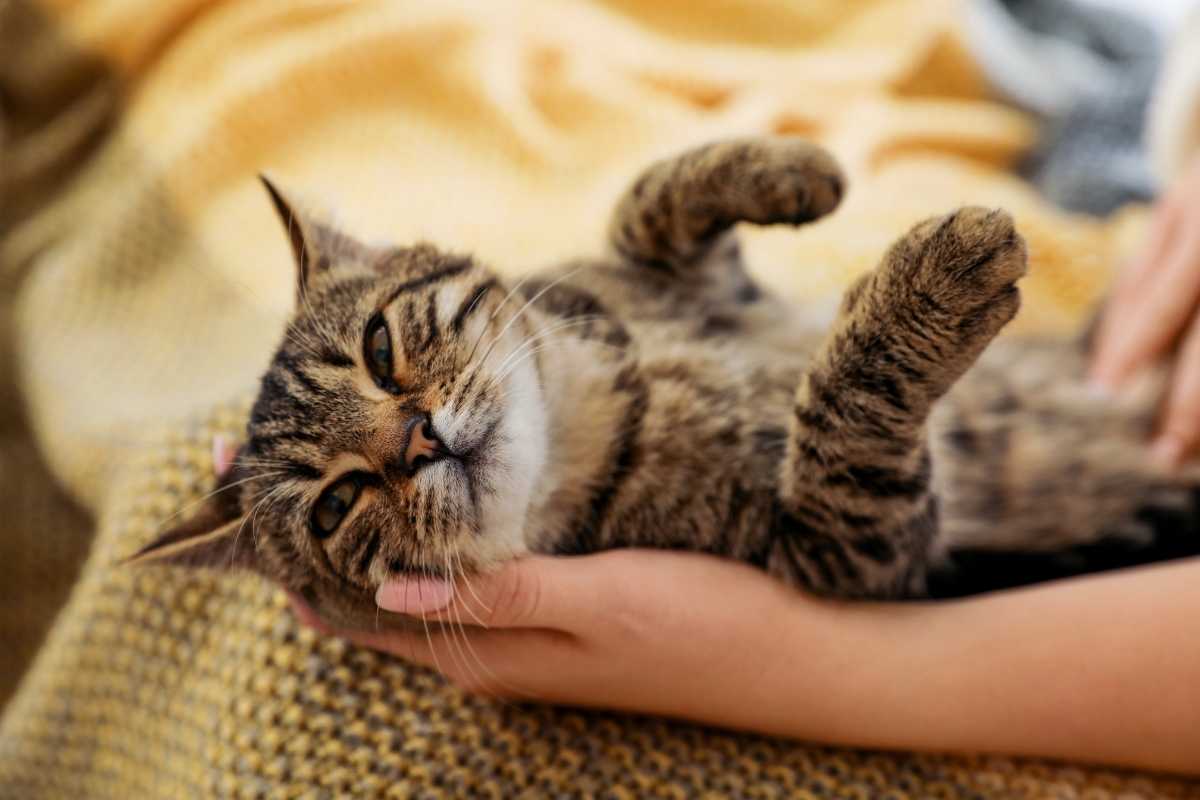
As cats enter their senior years, their nutritional needs begin to change. Cats over the age of 10 often experience changes in metabolism, muscle mass, digestion, and overall health that make choosing the right diet more important than ever. Feeding a high-quality senior cat food can help support healthy aging, maintain a healthy weight, and improve quality of life. Understanding what veterinarians recommend can help you make informed decisions for your aging companion while supporting long-term senior pet care.
For pet owners in Buffalo, NY, selecting an appropriate diet is one of the most effective ways to promote lifelong wellness. Every cat is unique, so nutritional recommendations should always be tailored to their age, health status, activity level, and any underlying medical conditions.
Why Nutrition Changes After Age 10
Although many cats remain active well into their senior years, aging affects nearly every body system. Nutritional adjustments can help address these natural changes and reduce the risk of age-related health problems.
Senior cats commonly experience:
- Reduced muscle mass
- Slower metabolism
- Decreased digestive efficiency
- Dental disease
- Reduced sense of smell and taste
- Arthritis and joint stiffness
- Kidney concerns
- Changes in immune function
A properly balanced senior diet supports these changing needs while helping maintain energy and body condition.
What Makes a Good Senior Cat Food?
Not every food labeled “senior” offers the same nutritional value. Veterinarians generally recommend looking beyond the label and evaluating the ingredient quality and nutritional profile.
Important features include:
High-Quality Animal Protein
Cats are obligate carnivores and require animal-based protein throughout their lives.
Adequate protein helps:
- Preserve lean muscle
- Support immune health
- Maintain healthy organs
- Promote healing
Unless your veterinarian recommends otherwise for a specific medical condition, senior cats generally benefit from highly digestible, quality protein sources.
Moderate Calorie Content
Many older cats become less active, making excess calories more likely to contribute to weight gain.
Conversely, some senior cats lose weight due to chronic disease or reduced appetite.
Your veterinarian can help determine the ideal calorie intake based on your cat’s individual needs.
Easily Digestible Ingredients
Highly digestible diets improve nutrient absorption while reducing digestive upset.
Look for foods containing:
- High-quality proteins
- Easily digested carbohydrates
- Limited unnecessary fillers
Balanced Fat Levels
Healthy fats provide energy while supporting:
- Skin health
- Coat quality
- Brain function
Omega-3 fatty acids may also help reduce inflammation associated with aging joints.
Essential Vitamins and Minerals
Senior diets often include balanced levels of:
- Vitamin E
- Vitamin C
- Zinc
- Selenium
- B vitamins
These nutrients support immune health and normal body function.
Wet Food vs. Dry Food for Senior Cats
Both wet and dry foods have benefits.
Wet Food Advantages
Wet food may be especially helpful because it:
- Increases water intake
- Is easier to chew
- Often has a stronger aroma
- Supports urinary health
Cats with dental disease or reduced appetite may particularly benefit from canned diets.
Dry Food Advantages
Dry food offers:
- Convenience
- Longer shelf life
- Easy portion measurement
- Cost effectiveness
Some dry foods are specifically formulated for senior cats and contain highly digestible ingredients.
Many veterinarians recommend feeding a combination of wet and dry food when appropriate.
Vet-Recommended Nutrients for Senior Cats
Rather than focusing only on specific brands, veterinarians emphasize choosing diets that contain nutrients proven to support healthy aging.
Omega-3 Fatty Acids
These healthy fats may support:
- Joint health
- Cognitive function
- Skin and coat condition
Glucosamine and Chondroitin
Some senior diets include ingredients that help maintain healthy cartilage and joint mobility.
Antioxidants
Antioxidants help protect cells from oxidative stress associated with aging.
Taurine
Taurine remains essential throughout life and supports:
- Heart health
- Vision
- Nervous system function
Fiber
Appropriate fiber levels support digestive health and help reduce hairball formation.
Choosing Food for Cats with Medical Conditions
Many senior cats develop health concerns that require specialized nutrition.
Examples include:
Kidney Disease
Prescription kidney diets often contain carefully controlled phosphorus and protein levels while supporting hydration.
Diabetes
Diabetic cats frequently benefit from diets higher in protein and lower in carbohydrates.
Food Allergies
Limited ingredient or hydrolyzed protein diets may help manage food sensitivities.
Obesity
Weight management diets can safely reduce calorie intake while preserving lean muscle.
Always consult your veterinarian before changing your cat’s diet for a medical condition.
How to Transition to a New Food
Changing diets too quickly can upset your cat’s digestive system.
A gradual transition over seven to ten days is usually recommended.
A typical schedule includes:
- Days 1 to 2: 25% new food, 75% current food
- Days 3 to 5: 50% new food
- Days 6 to 7: 75% new food
- Days 8 to 10: 100% new food
If digestive upset occurs, consult your veterinarian before continuing.
Signs Your Senior Cat May Need a Diet Change
Even if your cat has eaten the same food for years, aging may require nutritional adjustments.
Watch for:
- Weight loss
- Weight gain
- Reduced appetite
- Vomiting
- Diarrhea
- Poor coat quality
- Muscle loss
- Increased thirst
- Changes in activity level
These changes may indicate that nutritional needs have shifted or that an underlying health condition requires veterinary evaluation.
Tips for Feeding Senior Cats
Healthy feeding habits are just as important as selecting the right food.
Consider these recommendations:
- Feed measured portions rather than free feeding.
- Maintain a consistent feeding schedule.
- Provide fresh water at all times.
- Monitor body weight monthly.
- Schedule routine veterinary wellness visits.
- Introduce dietary changes gradually.
- Store food properly to preserve freshness.
These simple practices can help support healthy aging and improve your cat’s overall well-being.
The Importance of Routine Veterinary Evaluations
Nutrition is only one part of keeping senior cats healthy.
Routine examinations allow veterinarians to:
- Detect age-related diseases early
- Monitor body condition
- Evaluate dental health
- Recommend nutritional adjustments
- Monitor blood work
- Assess mobility and joint health
Regular wellness visits become increasingly important as cats grow older and can help identify health concerns before obvious symptoms appear.
As part of comprehensive senior pet care, routine veterinary evaluations and individualized nutritional guidance work together to support healthy aging and improve your cat’s quality of life.
Choosing the best food for a senior cat involves more than selecting a product labeled for older pets. High-quality protein, balanced nutrients, proper hydration, and individualized dietary recommendations all play important roles in supporting long-term health. Regular veterinary examinations also ensure that your cat’s nutritional plan evolves as their needs change.
If you’re in Buffalo, NY, and are looking for a veterinarian near you to help develop the right nutrition plan for your aging cat, contact us at North Buffalo Animal Hospital. Our team can evaluate your cat’s overall health, recommend an appropriate diet, and provide personalized guidance to help your feline companion enjoy their senior years. Schedule your appointment today for individualized care tailored to your cat’s unique needs.
Frequently Asked Questions
Q1. At what age is a cat considered a senior?
Ans: Most veterinarians consider cats to be seniors around 10 years of age, although some age-related changes may begin earlier. Regular wellness exams become increasingly important during this stage of life.
Q2. Should senior cats eat wet food or dry food?
Ans: Both wet and dry food can be appropriate. Wet food provides additional moisture and may be easier to chew, while dry food offers convenience. Your veterinarian can recommend the best option based on your cat’s health and preferences.
Q3. Do senior cats need more protein?
Ans: Many healthy senior cats benefit from highly digestible, high-quality animal protein to help maintain lean muscle mass. However, cats with certain medical conditions may require specialized diets.
Q4. How often should I feed my senior cat?
Ans: Most senior cats do well with two or more measured meals per day. Feeding schedules may vary depending on your cat’s health, activity level, and veterinary recommendations.
Q5. What signs indicate my senior cat may need a different diet?
Ans: Weight changes, poor coat quality, digestive issues, reduced appetite, muscle loss, or new medical conditions may indicate it’s time to reassess your cat’s nutrition with your veterinarian.
Q6. Can changing my senior cat’s food too quickly cause problems?
Ans: Yes. A sudden diet change can lead to digestive upset, including vomiting or diarrhea. Transitioning gradually over seven to ten days helps your cat adjust more comfortably while reducing the risk of gastrointestinal issues.
Related Articles