Please take a moment to review our appointment & cancellation policies before your visit

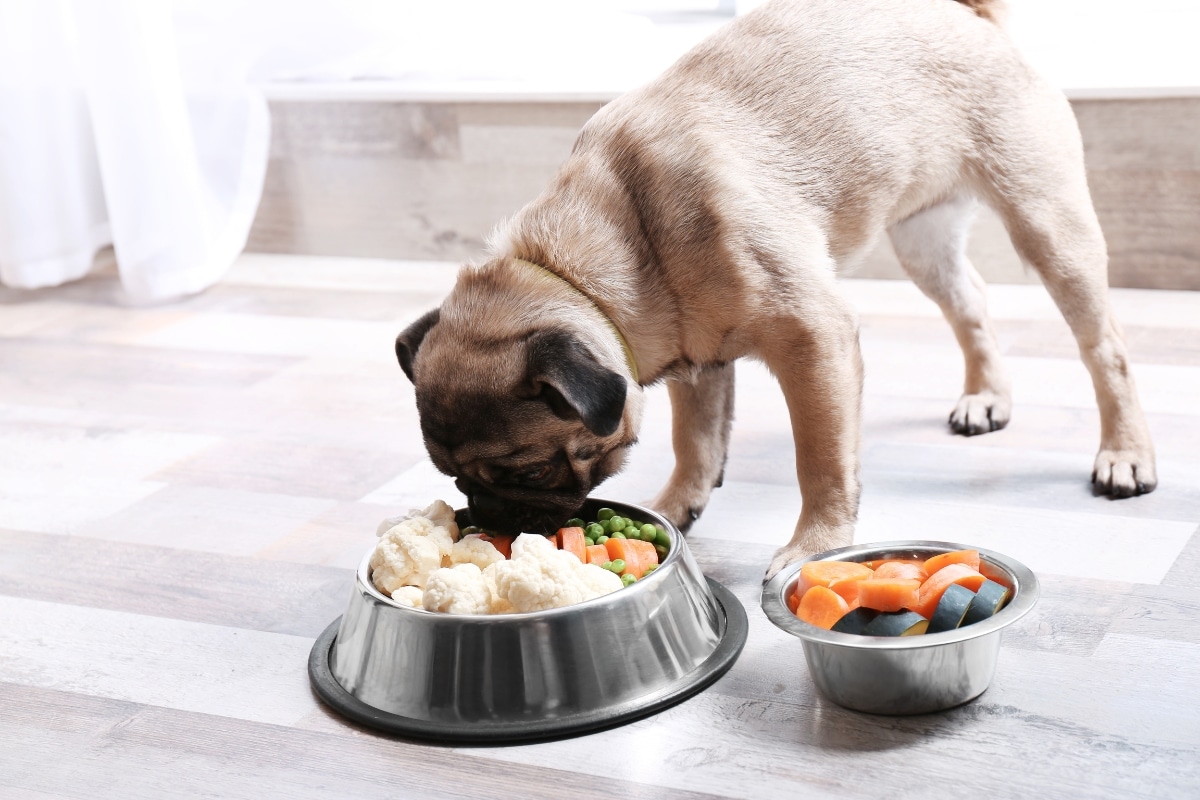
A pet’s nutritional needs change throughout life. Puppies and kittens require carefully balanced nutrition to support rapid growth, while adult pets need a diet that maintains healthy body weight, muscle, and daily energy. As dogs and cats grow older, their calorie needs, activity levels, and nutritional priorities may change again. Choosing an appropriate diet at each stage can support overall health and help pets maintain a healthy quality of life.
Understanding these changes is an important part of responsible pet ownership. Routine veterinary care can also help determine whether your pet’s current food, portion size, and feeding routine continue to meet their individual needs.
Why Pet Nutrition Changes With Age
Age affects how pets use energy and process nutrients. Young animals are building bones, muscles, organs, and other tissues, so they generally need nutrient-dense food formulated specifically for growth. Adult pets typically require fewer calories per pound because their bodies are no longer developing at the same rapid pace.
Senior pets may become less active and lose muscle mass more easily. However, aging does not automatically mean every older pet needs the same diet. Health conditions, body condition, breed, lifestyle, and activity level should also influence nutritional decisions.
Nutrition for Puppies
Puppies go through significant physical development during their first year. Their food needs to provide sufficient energy and essential nutrients without encouraging unhealthy growth.
Key Nutrients for Growing Puppies
A complete and balanced puppy diet generally provides appropriate amounts of:
- High-quality protein for muscle development
- Fat for energy and essential fatty acids
- Calcium and phosphorus for skeletal development
- Vitamins and minerals
- Nutrients that support normal immune function
Large-breed puppies deserve particular attention because excessive calorie intake or inappropriate nutrient levels can contribute to abnormal skeletal development. A veterinarian can help determine the right food and feeding amount based on your puppy’s expected adult size.
How Often Should Puppies Eat?
Young puppies typically need more frequent meals than adult dogs because of their smaller stomachs and higher energy requirements. As they mature, meal frequency can gradually change.
Rather than leaving food available all day, measured portions can make it easier to monitor intake and maintain an appropriate body condition.
Nutrition for Kittens
Kittens also experience rapid growth and need food formulated for their developmental stage. Kitten diets generally provide concentrated nutrition to support muscle, bone, brain, and immune development.
What Kittens Need From Their Diet
A suitable kitten diet should provide appropriate levels of:
- Protein
- Fat
- Essential fatty acids
- Vitamins and minerals
- Energy for growth and activity
Kittens can be energetic and playful, but their nutritional needs remain different from those of adult cats. Feeding an appropriate growth formula helps provide the nutrients needed during this important developmental period.
Fresh water should always be available. Wet food can also contribute to overall water intake, which may be helpful for cats that do not drink much on their own.
Nutrition for Adult Dogs and Cats
Once pets reach adulthood, their nutritional priorities shift toward maintenance. The goal is to provide enough energy and nutrients to support normal activity while avoiding excessive calorie intake.
An adult pet’s diet should help maintain:
- Healthy body weight
- Lean muscle mass
- Normal energy levels
- Healthy skin and coat
- Digestive health
- Overall wellness
Portion control becomes particularly important if your pet’s activity level decreases. Treats, table scraps, and food used for training should also be considered when estimating daily calorie intake.
Nutrition for Senior Pets
As dogs and cats age, their metabolism and activity levels may change. Some senior pets become less active and need fewer calories, while others lose muscle or have health conditions that affect their nutritional requirements.
Senior nutrition may focus on maintaining lean muscle, supporting a healthy body condition, and providing appropriate nutrition for individual health needs.
However, there is no universal diet that every senior pet should eat. A healthy older dog may have different nutritional needs than a senior dog with kidney disease, diabetes, heart disease, dental problems, or gastrointestinal issues.
Monitor Weight and Muscle Condition
Weight alone does not provide the complete picture. A senior pet can maintain the same body weight while gradually losing muscle.
Watch for changes such as:
- Visible muscle loss
- Prominent bones
- Unexplained weight gain or loss
- Reduced appetite
- Changes in stool
- Reduced activity
- Difficulty maintaining body condition
These changes should be discussed with a veterinarian rather than addressed through an immediate diet change.
When Should You Change Your Pet’s Food?
Life-stage transitions can be a good opportunity to review your pet’s diet, but food should not be changed simply because your pet reaches a certain birthday.
Consider a nutritional reassessment when your pet:
- Moves from growth into adulthood
- Becomes significantly less active
- Gains or loses weight
- Develops a medical condition
- Experiences persistent digestive changes
- Shows changes in appetite
- Enters the senior life stage
When changing foods, transition gradually when possible. A sudden change can cause digestive upset in some pets. Follow feeding recommendations and monitor your pet’s response during the transition.
Does Every Pet Need Supplements?
No. Pets eating a complete and balanced diet do not automatically need supplements.
Certain supplements may be appropriate for specific health needs, but adding them without professional guidance can result in unnecessary or excessive nutrient intake. Some products may also interact with medications or be unsuitable for pets with particular medical conditions.
Discuss supplements with your veterinary team before adding them to your pet’s routine.
How Body Condition Influences Nutrition
Two pets of the same age may require very different amounts of food. Breed, size, activity, reproductive status, metabolism, and health can all affect calorie requirements.
Regularly checking your pet’s body condition can help identify changes early. Your veterinarian can assess whether your pet is underweight, overweight, or maintaining an appropriate body condition and can recommend feeding adjustments when necessary.
After all, the right diet is not simply about choosing food labeled for a particular age. It is about meeting the individual pet’s nutritional needs.
Supporting Lifelong Health Through Nutrition
Good nutrition works best when combined with preventive care, appropriate exercise, weight management, dental health, and regular health assessments.
Pet owners should also pay attention to changes in eating or drinking habits. A sudden increase or decrease in appetite, unusual thirst, repeated vomiting, persistent diarrhea, or unexplained weight changes can sometimes indicate an underlying health problem.
These signs should not automatically be attributed to aging. Early evaluation can help identify potential concerns and determine whether nutritional or medical intervention is needed.
For pet owners looking for individualized guidance, North Buffalo Animal Hospital can help evaluate your pet’s body condition, life stage, lifestyle, and overall nutritional needs.
Nutrition should evolve alongside your pet. Puppies and kittens need nutrient-rich diets that support healthy development, adults need balanced maintenance nutrition, and senior pets may benefit from dietary adjustments based on their changing metabolism, activity, body condition, and health.
There is no single diet that works perfectly for every dog or cat. Instead, nutritional decisions should consider the individual pet and be reassessed as their needs change. Schedule your appointment with North Buffalo Animal Hospital to discuss an age-appropriate nutrition plan for your pet.
Frequently Asked Questions
Q1. Do puppies and kittens need special food?
Ans: Yes. Puppies and kittens generally need diets specifically formulated for growth because they require different amounts and proportions of nutrients than adult pets.
Q2. When should I switch my puppy or kitten to adult food?
Ans: The timing depends on species, breed, size, and individual development. Smaller pets may mature earlier than large-breed dogs. Your veterinarian can help determine an appropriate transition time.
Q3. Do senior pets always need senior pet food?
Ans: No. Senior pets do not all have the same nutritional requirements. Their ideal diet depends on body condition, activity level, health status, and individual nutritional needs.
Q4. How can I tell if my pet is gaining too much weight?
Ans: Regularly monitor body condition rather than relying only on the number on the scale. Difficulty feeling the ribs, reduced waist definition, and excess body fat can indicate that feeding amounts need to be reassessed.
Q5. Should I give my older pet nutritional supplements?
Ans: Not automatically. Supplements may benefit certain pets, but they should be selected according to individual needs and discussed with a veterinarian before use.
Q6. Can I change my pet’s food suddenly?
Ans: A gradual transition is generally preferable because sudden dietary changes may cause digestive upset. Introduce the new food progressively while monitoring appetite, stool quality, and overall response.
Related Articles