Please take a moment to review our appointment & cancellation policies before your visit

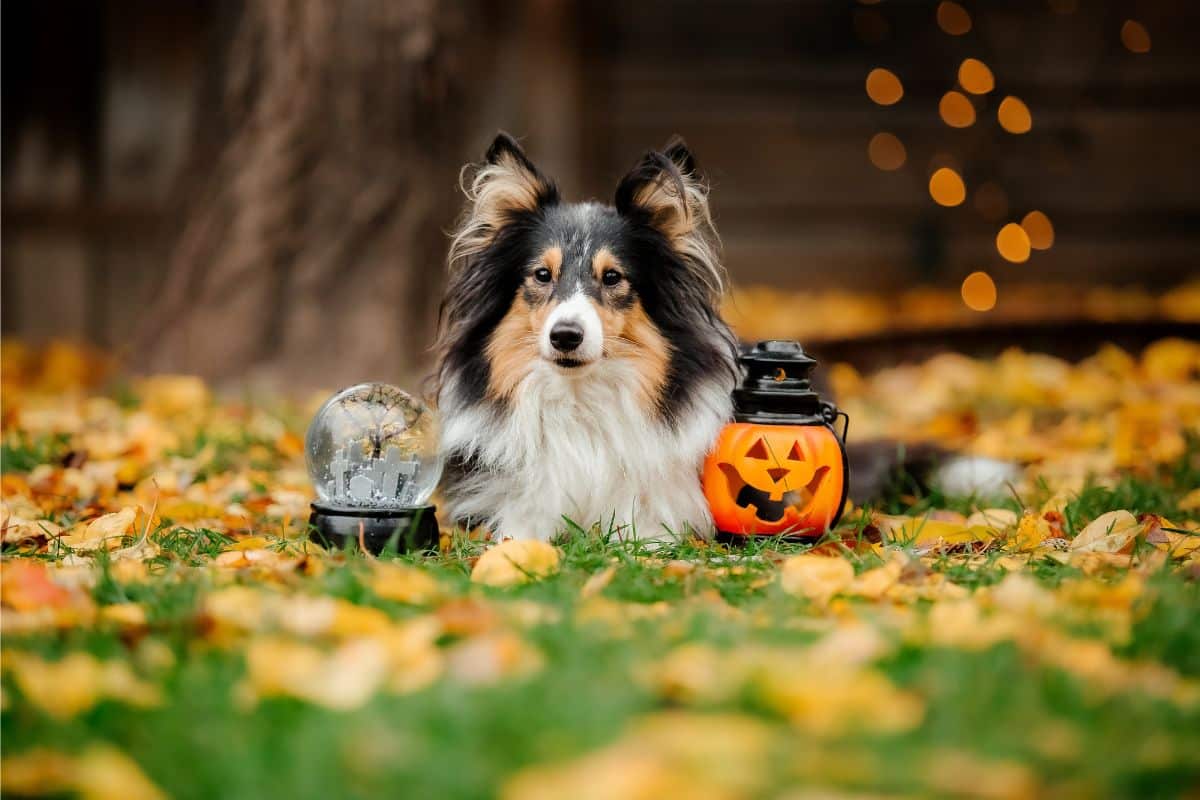
Halloween candy can disappear quickly when a curious dog or cat finds an unattended bowl, open backpack, or discarded wrapper. What looks like a small snack to us can contain ingredients that are unsafe for pets.
Chocolate, sugar-free candy, raisins, and certain other ingredients can cause serious health problems. Candy wrappers can also create choking or intestinal blockage risks. The right response depends on what your pet ate, how much they consumed, their size, and whether symptoms have started.
If you discover your pet has eaten Halloween treats, do not wait for obvious illness before deciding what to do. Use this pet poison control checklist to gather information and seek appropriate veterinary care as quickly as possible.
First, Remove the Remaining Candy
Move your pet away from the candy and collect anything still within reach. Check nearby rooms, bags, wrappers, and the floor to determine whether more than one type of treat may be missing.
If you have multiple pets, separate them temporarily. This may help you determine which animal ate the candy and prevent another pet from eating what remains.
Do not throw away the packaging yet. The ingredient list and product information may be important when you speak with a veterinarian.
Check Exactly What Your Pet Ate
Try to identify the product before calling for help. Bring the package with you if your pet needs an examination.
Write down or photograph:
- The product or candy name
- The type of chocolate, if applicable
- The ingredient list
- Whether the product is sugar-free
- Approximately how many pieces are missing
- The approximate time the candy was eaten
- Your pet’s current weight
- Any wrappers or packaging that may also be missing
You do not need to calculate the toxic dose yourself. Providing accurate information helps veterinary professionals assess the exposure.
Which Halloween Treats Can Be Dangerous for Pets?
Not every piece of candy creates the same level of concern. The ingredients matter.
Chocolate
Chocolate contains methylxanthines, including theobromine and caffeine, which pets do not process the same way people do.
The risk varies according to the type and amount of chocolate and the animal’s body weight. Dark chocolate and baking chocolate generally contain higher concentrations of theobromine than milk chocolate.
Signs of chocolate poisoning can include:
- Vomiting
- Diarrhea
- Restlessness
- Increased thirst or urination
- Rapid heart rate
- Tremors
- Muscle spasms
- Seizures
Do not assume a pet is safe simply because they seem normal immediately after eating chocolate.
Sugar-Free Candy Containing Xylitol
Sugar-free products deserve particular attention when a dog gets into Halloween treats.
Some sugar-free candies, gums, baked goods, and other products contain xylitol. It may also appear on ingredient lists as birch sugar or wood sugar.
Xylitol can trigger a rapid release of insulin in dogs, causing blood sugar to fall dangerously low. Signs may include vomiting, weakness, difficulty walking, collapse, tremors, and seizures. Serious exposures can also affect the liver.
If a dog may have consumed xylitol, contact a veterinarian or emergency veterinary facility immediately.
Raisins and Grapes
Raisins sometimes appear in chocolate bars, baked goods, trail mixes, and homemade Halloween snacks.
Grapes and raisins can cause kidney injury in dogs. Because the reaction can be unpredictable, suspected ingestion warrants prompt veterinary advice rather than waiting to see whether symptoms develop.
Macadamia Nuts
Some cookies, chocolates, and candy mixtures contain macadamia nuts.
Dogs that consume them may develop weakness, vomiting, tremors, or difficulty walking. A product containing both macadamia nuts and chocolate creates more than one potential concern.
High-Fat and High-Sugar Treats
A candy does not have to contain a classic toxin to make a pet sick.
Eating large quantities of rich or fatty foods can cause vomiting, diarrhea, abdominal discomfort, and other digestive problems. Fatty foods can also contribute to pancreatitis in susceptible dogs.
Candy Wrappers and Packaging
Sometimes the candy is only part of the problem.
Dogs may swallow foil, plastic, paper, lollipop sticks, or pieces of a candy bag while eating treats. These materials may cause choking or become lodged within the digestive tract.
Contact a veterinarian if you suspect your pet swallowed packaging, especially if vomiting, loss of appetite, abdominal discomfort, or difficulty passing stool develops.
Your Pet Poison Control Checklist
Finding an empty Halloween candy bag can be frightening. Having a simple sequence to follow can help you respond efficiently.
1. Stop Access to the Treats
Remove your pet from the area and secure all remaining candy.
2. Find the Packaging
Look for labels, wrappers, ingredient lists, or receipts that identify the product.
3. Estimate How Much Was Eaten
Count the remaining pieces when possible. Do not delay contacting a veterinarian because you cannot determine the exact amount.
4. Note When It Happened
An approximate time can help your veterinarian decide which next steps may be appropriate.
5. Check Your Pet’s Weight
Toxicity risk for some substances depends partly on body weight. Give your veterinary team your pet’s current or approximate weight.
6. Look for Additional Ingredients
A chocolate candy may also contain raisins, macadamia nuts, coffee, or other concerning ingredients. Sugar-free products should be checked carefully for xylitol.
7. Call for Veterinary Guidance
Do not rely solely on an online toxicity calculator or wait for symptoms before making contact.
A veterinarian can assess the type of exposure, your pet’s size and health history, the estimated amount eaten, and the time since ingestion.
8. Follow the Instructions You Receive
Depending on the exposure, your pet may need monitoring at home, an examination, diagnostic testing, treatment, or emergency evaluation.
Should You Make Your Pet Vomit at Home?
Do not automatically induce vomiting after your pet eats candy.
Whether vomiting is appropriate depends on several factors, including what was swallowed, when it happened, your pet’s condition, and the risk of aspiration or other complications.
Home remedies can create additional problems when used incorrectly. Never give salt, medications, or other substances to make your pet vomit unless a veterinary professional specifically directs you to do so.
Call first and follow the instructions provided for your pet’s particular situation.
What Symptoms Require Immediate Attention?
A pet that has eaten a potentially toxic ingredient may initially appear completely normal. That does not guarantee the exposure is harmless.
Seek prompt veterinary help if you notice:
- Repeated vomiting or diarrhea
- Weakness or unusual tiredness
- Restlessness or agitation
- Trembling or shaking
- Difficulty walking
- Collapse
- Seizures
- Abnormal breathing
- Significant abdominal discomfort
- Unusual heart rate
- Loss of consciousness
Known or suspected exposure to xylitol should also be treated urgently in dogs, even when symptoms have not appeared.
Why Waiting for Symptoms Can Be Risky
Pet owners sometimes decide to watch their animal for a few hours because the pet seems normal. With certain toxins, that can waste valuable treatment time.
Xylitol-related problems in dogs can begin quickly. Other toxic exposures may produce delayed signs.
Early contact with a veterinary professional allows the risk to be assessed before the situation progresses. The veterinarian can consider the substance, estimated dose, body weight, medical history, and current symptoms.
That is why prompt veterinary care matters after a potentially significant candy exposure.
What Can a Veterinarian Do After a Pet Eats Candy?
Treatment depends entirely on what the pet consumed and their condition when evaluated.
The veterinary team will first gather information about the exposure. A physical examination can help identify changes in heart rate, hydration, neurologic status, abdominal comfort, and general condition.
Depending on the situation, further evaluation or supportive treatment may be recommended. Diagnostic testing can also help veterinarians evaluate internal health when there is concern about complications.
The important point is that treatment is not identical for every poisoning. What is appropriate after chocolate exposure may differ from the response to xylitol, raisins, or swallowed packaging.
How Can Buffalo Pet Owners Prevent Halloween Poisoning?
Prevention becomes especially important around Halloween because candy may appear in places where pets normally have access.
Keep candy bowls on high, secure surfaces rather than low tables. Store trick-or-treat bags inside closed cabinets or closets. Remind children not to leave candy in bedrooms where pets can reach it.
After trick-or-treating, check floors, couches, entryways, and sidewalks for dropped candy and wrappers.
Trash cans also deserve attention. A determined dog may pull discarded chocolate wrappers or candy bags from an open container long after Halloween night ends.
If you are hosting visitors, designate one secure location for candy, food, purses, and backpacks. A little planning can prevent a stressful trip for urgent veterinary care.
Get Help When a Halloween Treat Becomes a Pet Emergency
Halloween should end with empty candy bowls, not an avoidable medical crisis. If your dog or cat gets into candy, gathering the package, identifying the ingredients, estimating how much was eaten, and seeking veterinary guidance quickly can make an important difference.
North Buffalo Animal Hospital provides comprehensive and urgent veterinary services for pets in Buffalo, NY. The hospital offers preventative, diagnostic, urgent, and emergency care during applicable business hours, giving local pet owners a place to turn when an unexpected health concern occurs.
If your pet eats chocolate, xylitol-containing candy, raisins, or another potentially harmful Halloween treat, do not simply wait for symptoms. Contact the hospital promptly so the veterinary team can assess the situation and guide you toward the appropriate care for your pet.
Frequently Asked Questions
Q1. My dog ate one piece of Halloween chocolate. Should I be worried?
Ans. The risk depends on your dog’s weight, the type of chocolate, and the amount consumed. Dark and baking chocolate generally present greater concern because they contain more theobromine. Contact a veterinarian with the product information instead of guessing whether the amount was safe.
Q2. How quickly can a dog become sick after eating xylitol?
Ans. Signs of xylitol poisoning can develop quickly. Dogs may experience vomiting, weakness, poor coordination, collapse, tremors, or seizures as their blood sugar falls. If the ingredient list contains xylitol, contact a veterinarian or emergency facility immediately.
Q3. Where can I get help in Buffalo if my pet eats Halloween candy?
Ans. If your pet gets into a potentially harmful Halloween treat, contact North Buffalo Animal Hospital for guidance. The hospital provides urgent pet care in Buffalo for concerns including possible toxin exposure and can help determine an appropriate next step based on your pet’s condition.
Q4. Can I make my pet vomit after it eats candy?
Ans. Do not induce vomiting unless a veterinarian or qualified animal poison professional specifically tells you to do so. Vomiting is not appropriate in every poisoning situation, and attempting it incorrectly may cause additional complications.
Q5. Can North Buffalo Animal Hospital evaluate a pet with suspected poisoning?
Ans. Yes. North Buffalo Animal Hospital provides urgent care for unexpected health concerns, including possible toxin exposure. The veterinary team can assess your pet and determine what evaluation or treatment may be needed. For emergencies during business hours, the practice recommends calling right away so the team can assess the situation and advise you about the next step.
Q6. What should Buffalo pet owners do if poisoning happens after regular veterinary hours?
Ans. Do not wait until the next morning if your pet may have a serious poisoning emergency. North Buffalo Animal Hospital advises pet owners with emergencies outside its regular business hours to seek immediate care through its recommended after-hours emergency provider. Keep the candy packaging with you and provide the emergency team with as much information as possible.
Related Articles