Please take a moment to review our appointment & cancellation policies before your visit
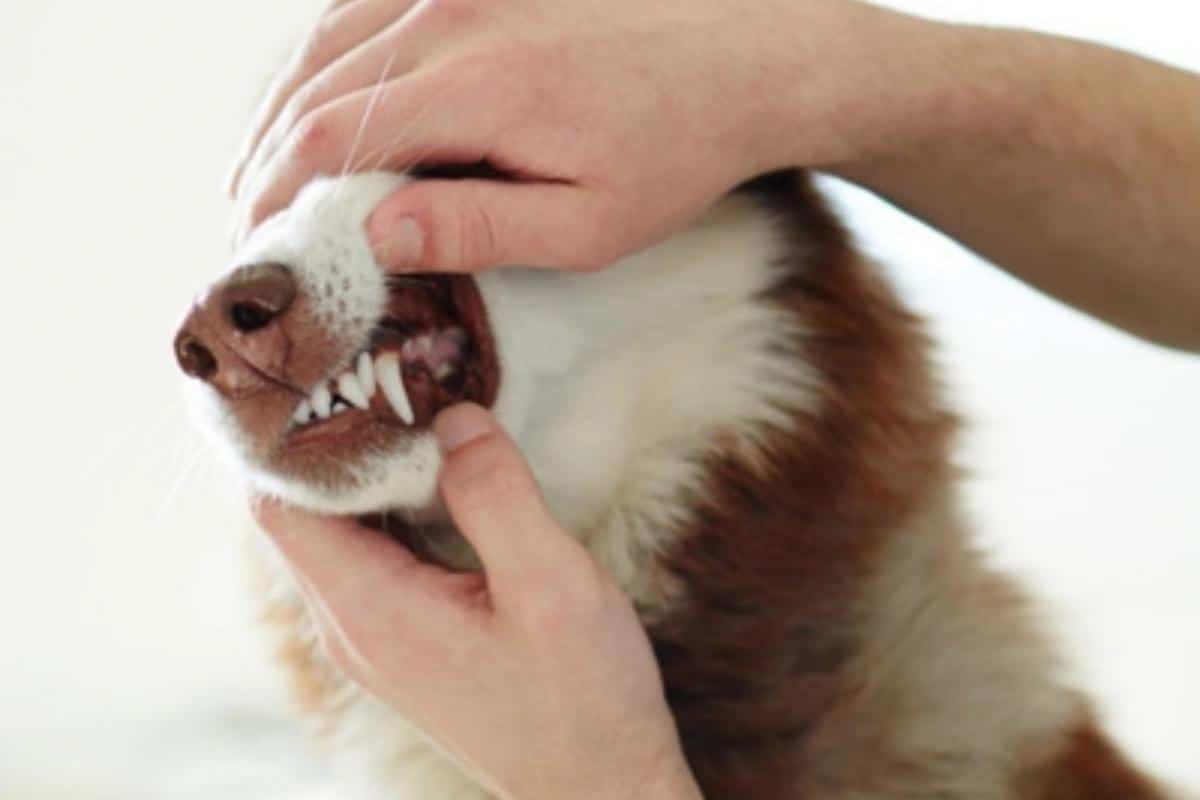
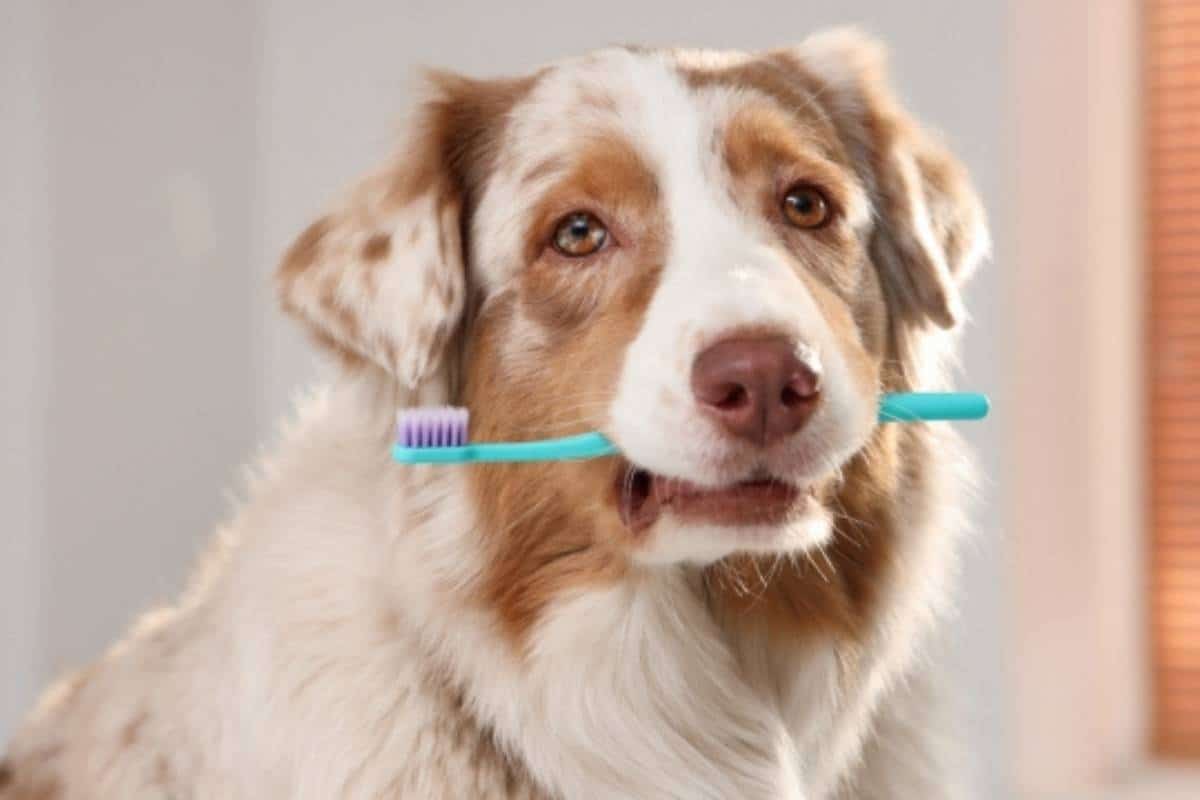
Your dog’s oral health plays a much bigger role in their overall wellbeing than many pet owners realize. While bad breath is often the first noticeable sign of dental issues, underlying dental disease can affect far more than just the mouth. Regular dental cleanings are an important part of preventive healthcare and can help your dog live a healthier, more comfortable life.
At North Buffalo Animal Hospital, we believe that proactive dental care is one of the best investments pet owners can make in their dog’s long-term health. Whether your dog is a playful puppy or a senior companion, maintaining good oral hygiene can help prevent a variety of health complications. For pet owners in Buffalo, NY, understanding the importance of routine dental cleanings can make a significant difference in their pet’s quality of life.
Why Dental Health Matters for Dogs
Dental disease is one of the most common medical conditions seen in dogs. In fact, many dogs begin developing signs of dental disease by the age of three.
Without proper oral care, bacteria and food debris accumulate on the teeth, forming plaque. Over time, plaque hardens into tartar, which can lead to:
- Gum inflammation
- Bad breath
- Tooth decay
- Oral infections
- Tooth loss
- Chronic discomfort
Unfortunately, many dogs continue eating and behaving normally despite experiencing dental pain, making routine evaluations especially important.
What Happens During a Professional Dental Cleaning?
A professional dental cleaning involves much more than simply removing visible tartar.
During a veterinary dental procedure, your dog’s mouth is thoroughly evaluated and cleaned. This process typically includes:
- Comprehensive oral examination
- Plaque and tartar removal
- Cleaning below the gumline
- Polishing tooth surfaces
- Dental charting
- Evaluation for periodontal disease
These cleanings allow veterinarians to identify issues that may not be visible during routine home inspections.
Preventing Periodontal Disease
One of the most important benefits of regular dental cleanings is the prevention of periodontal disease.
Periodontal disease occurs when bacteria infect the tissues surrounding the teeth. As the condition progresses, it can damage:
- Gums
- Ligaments
- Jawbone
- Tooth roots
If left untreated, periodontal disease can eventually lead to tooth loss and chronic pain.
Routine cleanings help remove harmful plaque and tartar before serious damage occurs.
Reducing Chronic Pain and Discomfort
Dental disease is often painful, even when symptoms are subtle.
Dogs suffering from oral discomfort may experience:
- Difficulty chewing
- Reduced appetite
- Pawing at the mouth
- Drooling
- Irritability
- Reluctance to play with toys
Because dogs frequently hide pain, many owners are unaware that a problem exists until it becomes advanced.
Regular dental evaluations and cleanings help identify painful conditions early and improve your dog’s comfort.
Supporting Overall Health
Oral health and overall health are closely connected.
When harmful bacteria accumulate in the mouth, they can enter the bloodstream and potentially affect other parts of the body.
Research has shown associations between advanced dental disease and complications involving:
- The heart
- Kidneys
- Liver
- Respiratory system
While dental disease may begin in the mouth, its effects can extend far beyond oral tissues.
Preventive dental care helps reduce bacterial buildup and supports whole-body health.
Freshening Breath Naturally
Persistent bad breath is often more than a cosmetic concern.
In many cases, unpleasant breath is one of the earliest signs of dental disease.
Professional cleanings help remove bacteria, plaque, and tartar that contribute to foul odors.
Although fresh breath should never be the sole goal of dental care, it is often a welcome benefit for pet owners.
The Role of Home Dental Care
Professional cleanings are most effective when combined with consistent home care.
Helpful habits include:
- Brushing your dog’s teeth regularly
- Using veterinarian-approved dental products
- Providing appropriate dental chews
- Following dietary recommendations
- Monitoring for oral health changes
A comprehensive pet dental care routine can help extend the benefits of professional cleanings and reduce plaque accumulation between visits.
Signs Your Dog May Need a Dental Evaluation
It’s important to watch for signs that may indicate developing dental problems.
Common warning signs include:
- Bad breath
- Red or swollen gums
- Yellow or brown tartar buildup
- Loose teeth
- Bleeding gums
- Difficulty eating
- Excessive drooling
If you notice any of these symptoms, a veterinary examination is recommended.
How Often Should Dogs Have Dental Cleanings?
There is no one-size-fits-all schedule.
Factors that influence cleaning frequency include:
- Age
- Breed
- Genetics
- Diet
- Existing dental health
- Overall medical condition
Some dogs may require more frequent cleanings than others.
Your veterinarian can recommend a personalized dental care schedule based on your dog’s individual needs.
Common Misconceptions About Dog Dental Care
Many pet owners believe certain myths about dental health.
“My Dog’s Bad Breath Is Normal”
Bad breath is often a sign of underlying dental disease rather than a normal part of aging.
“Dental Chews Replace Cleanings”
While helpful, dental chews cannot remove tartar below the gumline.
“My Dog Eats Fine, So Their Teeth Must Be Healthy”
Dogs often continue eating despite significant oral discomfort.
This is why regular examinations and pet dental care remain essential.
Protecting Your Dog’s Smile for Life
Regular dental cleanings are one of the most effective ways to protect your dog’s oral health and overall wellbeing. By preventing periodontal disease, reducing discomfort, minimizing bacterial buildup, and supporting long-term health, routine dental care can help your dog enjoy a happier and healthier life.
If you’re in Buffalo, NY, and need guidance from a vet near you on maintaining your dog’s oral health, schedule your appointment with North Buffalo Animal Hospital. Our team can evaluate your dog’s dental health, recommend preventive care solutions, and help create a personalized plan to keep their teeth and gums healthy for years to come.
Frequently Asked Questions
Q1. Why are regular dental cleanings important for dogs?
Ans. Regular dental cleanings help prevent plaque buildup, periodontal disease, tooth loss, and oral discomfort while supporting overall health.
Q2. How often should my dog have a professional dental cleaning?
Ans. The ideal frequency varies based on your dog’s age, breed, and dental health. Your veterinarian can recommend an appropriate schedule.
Q3. Can dental disease affect other organs?
Ans. Yes. Oral bacteria may enter the bloodstream and potentially impact organs such as the heart, liver, and kidneys.
Q4. What are the signs my dog may have dental disease?
Ans. Common signs include bad breath, swollen gums, tartar buildup, drooling, loose teeth, and difficulty eating.
Q5. Is brushing my dog’s teeth enough?
Ans. Brushing is beneficial, but professional dental cleanings are still necessary to address plaque and tartar below the gumline.
Q6. Are professional dental cleanings safe for dogs?
Ans. When performed by qualified veterinary professionals with appropriate monitoring, dental cleanings are generally safe and highly beneficial.