Please take a moment to review our appointment & cancellation policies before your visit

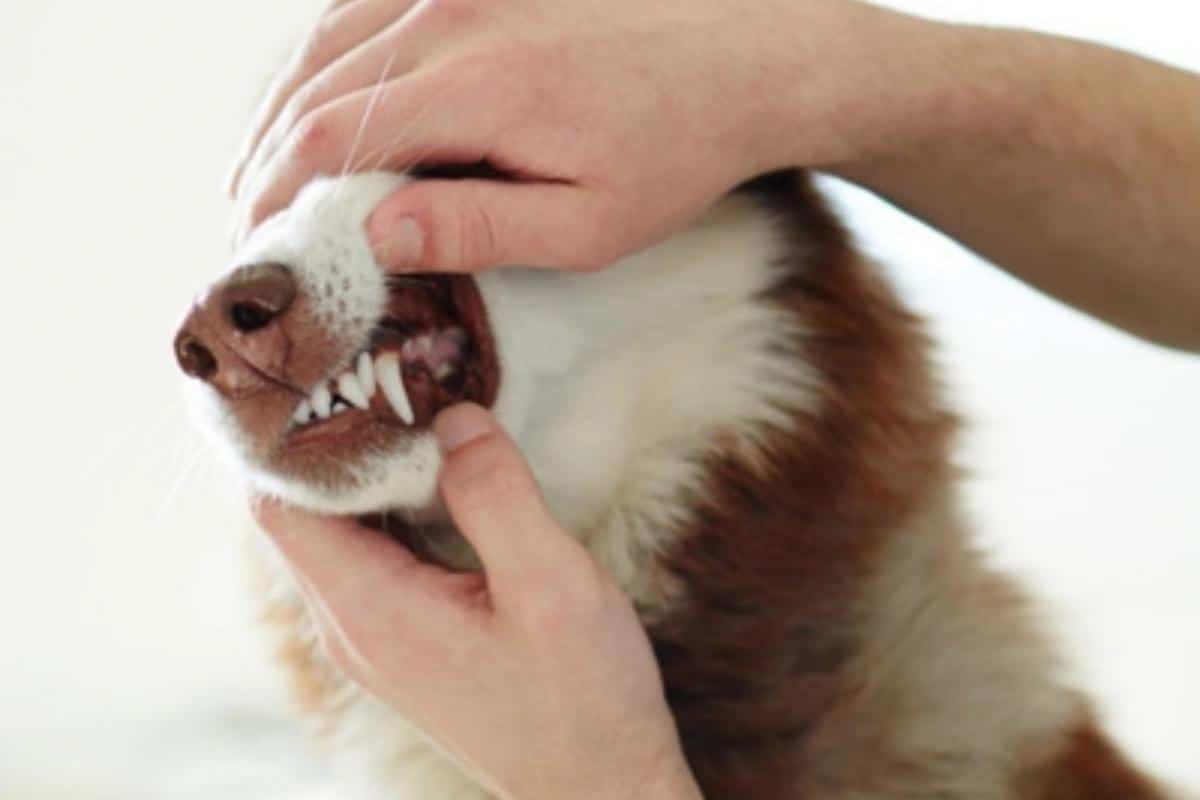
Dental health is an important part of your pet’s overall wellness, yet oral care is often overlooked until a problem becomes obvious. Dogs and cats can develop plaque, tartar, gum inflammation, periodontal disease, and painful dental conditions even when they appear healthy. Because pets may hide oral discomfort, routine dental care can help identify problems before they significantly affect eating, behavior, or quality of life.
For families researching pet dentistry, understanding common dental care mistakes can help protect a pet’s teeth and gums throughout life. North Buffalo Animal Hospital encourages pet owners to view dental health as part of preventive care rather than something that only needs attention when bad breath or visible tartar appears. Consistent home care, regular veterinary examinations, and professional dental treatment when recommended can work together to support better oral health.
Why Pet Dental Care Matters
Plaque begins forming on the teeth when bacteria and food particles accumulate along the tooth surface. Without effective removal, plaque can harden into tartar. Over time, bacteria and inflammation can affect the tissues surrounding the teeth and contribute to periodontal disease.
Dental disease may cause:
- Bad breath
- Red or swollen gums
- Gum recession
- Loose teeth
- Difficulty chewing
- Dropping food
- Excessive drooling
- Oral pain
- Reduced appetite
- Changes in behavior
Advanced dental disease can be painful and may require more extensive treatment. This is why prevention and early veterinary assessment are important.
1. Ignoring Persistent Bad Breath
Many pet owners assume that bad breath is simply a normal part of having a dog or cat.
It is not something that should automatically be considered normal.
Persistent or unusually strong breath odor can be associated with plaque, tartar, gum disease, infected teeth, or other oral health problems. In some cases, an underlying medical condition may also contribute to abnormal breath.
What to Do Instead
If your pet develops persistent bad breath, schedule a veterinary examination. Do not rely on breath-freshening treats or products to mask the odor without determining its cause.
Fresh breath is not the only goal of dental care. Healthy gums, teeth, and surrounding tissues are much more important.
2. Waiting Until You See Severe Tartar
Visible tartar is one of the signs that dental disease may already be developing.
Plaque can accumulate below and around the gumline where owners cannot easily see it. By the time significant yellow or brown tartar is obvious, inflammation may already be affecting the gums.
What to Do Instead
Make dental examinations part of your pet’s routine wellness care. Your veterinarian can assess areas that are difficult to evaluate at home and recommend appropriate dental treatment when necessary.
Early intervention may help prevent minor oral problems from becoming more advanced.
3. Using Human Toothpaste
Human toothpaste is not designed for dogs or cats.
People typically spit toothpaste out after brushing, while pets are likely to swallow it. Some human toothpaste formulations contain ingredients that can be inappropriate or harmful to animals.
What to Do Instead
Use toothpaste specifically formulated for pets. Follow your veterinary team’s recommendations regarding suitable products and brushing techniques.
Never assume that a product is safe simply because it is safe for humans.
4. Brushing Too Aggressively
Some pet owners believe that stronger pressure means better cleaning.
Aggressive brushing can irritate sensitive gums and make the experience uncomfortable. If brushing causes pain or fear, your pet may become increasingly resistant to future dental care.
What to Do Instead
Use a soft, pet-appropriate toothbrush and gentle movements. Focus on the tooth surfaces near the gumline without scrubbing forcefully.
Introduce brushing gradually, especially if your pet has never experienced dental care before.
5. Forcing a Pet to Accept Tooth Brushing
Trying to hold a struggling dog or cat down and force a toothbrush into its mouth can create fear and resistance.
A stressful experience may make future dental care more difficult.
What to Do Instead
Introduce oral care gradually.
Start by allowing your pet to become comfortable with gentle handling around the face. Next, briefly lift the lip and touch the teeth. You can then introduce pet toothpaste and eventually a toothbrush.
Reward calm behavior and keep early sessions short.
If your pet consistently refuses brushing, ask your veterinary team about other dental care options.
6. Assuming Dental Treats Replace Brushing
Dental treats and chews can be useful additions to an oral hygiene routine, but they should not automatically be considered a complete substitute for brushing or veterinary dental care.
Different products vary in effectiveness, ingredients, texture, calorie content, and suitability for individual pets.
What to Do Instead
Ask your veterinarian which dental products are appropriate for your pet.
Consider products that have been evaluated for dental benefits and are suitable for your pet’s size, chewing habits, age, and health status.
Dental treats should also be included within your pet’s overall daily calorie intake.
7. Giving Unsafe Bones or Hard Objects to Chew
Chewing can provide enrichment, but extremely hard objects can damage teeth.
Some bones, antlers, rocks, hard plastic items, and other rigid objects may fracture teeth when a pet bites down with significant force.
A broken tooth can be painful and may require veterinary treatment.
What to Do Instead
Choose chew products appropriate for your pet’s size and chewing style. Ask your veterinarian for guidance if you are uncertain whether a particular chew is safe.
A useful rule is to avoid giving pets objects that are excessively hard or difficult to bend.
8. Treating Dental Disease at Home
Home dental care is valuable for prevention, but established dental disease cannot always be corrected with brushing, treats, or water additives.
If tartar has accumulated or the gums are significantly inflamed, professional veterinary assessment may be necessary.
What to Do Instead
Do not attempt to scrape tartar off your pet’s teeth with household tools. This can damage the tooth surface or injure the gums.
A veterinary dental procedure can allow the veterinary team to thoroughly evaluate and clean the teeth and areas beneath the gumline when indicated.
9. Skipping Routine Dental Examinations
A pet may continue eating and behaving normally despite having oral discomfort.
Cats are particularly good at hiding signs of illness, but dogs can also compensate for dental pain.
Routine examinations allow a veterinarian to look for:
- Plaque and tartar
- Gum inflammation
- Damaged teeth
- Loose teeth
- Abnormal tooth alignment
- Oral masses
- Signs of infection
- Other changes in the mouth
What to Do Instead
Include oral health assessment in your pet’s routine veterinary care.
The recommended frequency of dental evaluation depends on your pet’s age, species, breed, existing dental health, and individual risk factors.
10. Ignoring Changes in Eating Behavior
A pet with dental pain may not stop eating completely.
Instead, you might notice subtle changes such as chewing more slowly, dropping food, preferring soft food, chewing on one side, or hesitating before eating.
These changes can easily be mistaken for picky eating.
What to Do Instead
Pay attention to changes in how your pet eats.
If a pet that normally eats well suddenly changes its eating habits, schedule a veterinary evaluation. Oral pain is one possible explanation, but other health conditions can also affect appetite and eating behavior.
11. Forgetting About Dental Care for Cats
Dental disease is not only a dog problem.
Cats can also develop plaque, tartar, gingivitis, periodontal disease, and other oral conditions. Some cats may develop painful dental problems that are difficult for owners to recognize.
What to Do Instead
Check your cat’s mouth regularly when it can be done safely and comfortably. Watch for bad breath, drooling, changes in eating behavior, pawing at the mouth, or reluctance to eat.
Regular veterinary examinations are particularly important because cats can hide signs of discomfort.
12. Starting Dental Care Too Late
It is easier to establish a dental routine when a pet is young and healthy, but older pets can also benefit from improved oral care.
Waiting until advanced dental disease develops can make treatment more complicated.
What to Do Instead
Introduce appropriate oral hygiene early and maintain it throughout your pet’s life.
For puppies and kittens, gradual handling can help them become comfortable with future dental examinations and home care. For adult and senior pets, begin at a pace they can tolerate and seek veterinary guidance if there are signs of existing dental disease.
How to Build a Better Pet Dental Care Routine
A practical dental routine does not have to be complicated.
At Home
- Brush your pet’s teeth regularly with pet-safe toothpaste
- Use an appropriate toothbrush
- Introduce brushing gradually
- Monitor breath and gum health
- Choose veterinary-approved dental products
- Avoid excessively hard chew objects
- Monitor changes in eating behavior
During Veterinary Visits
Ask your veterinary team to evaluate your pet’s oral health and explain whether professional dental care may be appropriate.
The frequency of professional dental treatment varies between pets. Your veterinarian can make recommendations based on your pet’s individual needs.
Signs Your Pet May Need a Dental Examination
Contact your veterinarian if you notice:
- Persistent bad breath
- Red, swollen, or bleeding gums
- Significant tartar
- Loose or broken teeth
- Excessive drooling
- Difficulty chewing
- Dropping food
- Pawing at the mouth
- Facial swelling
- Reduced appetite
- Sudden changes in eating behavior
- Signs of oral pain
Facial swelling, severe pain, inability to eat, or other sudden concerning symptoms should be evaluated promptly.
Pet dental care is about much more than keeping your dog’s or cat’s breath fresh. Avoiding common mistakes such as ignoring bad breath, using human toothpaste, forcing brushing, offering excessively hard chews, and delaying veterinary dental examinations can help reduce preventable oral health problems.
A consistent approach combines appropriate home care with professional veterinary evaluation. Pay attention to changes in your pet’s breath, gums, teeth, eating habits, and behavior, and seek veterinary guidance when something seems unusual.
If you are in Buffalo, NY, and need help supporting your pet’s oral health, schedule your appointment with North Buffalo Animal Hospital. A veterinary team can evaluate your pet’s dental health and help develop an appropriate preventive care plan based on age, lifestyle, and individual needs.
Frequently Asked Questions
Q1. How often should I brush my dog’s or cat’s teeth?
Ans: Daily brushing is generally the ideal goal because plaque forms continuously. If your pet is not accustomed to brushing, start slowly and work toward a consistent routine. Your veterinarian can recommend an approach appropriate for your pet.
Q2. Can dental treats replace brushing?
Ans: Dental treats may complement a dental care routine, but they should not automatically be considered a replacement for brushing or professional veterinary dental care. Product effectiveness and suitability vary between pets.
Q3. Is bad breath normal in dogs and cats?
Ans: Persistent bad breath should not be considered normal. It can be associated with plaque, tartar, gum disease, infected teeth, or other health problems. A veterinary examination can help identify the underlying cause.
Q4. Can I remove tartar from my pet’s teeth at home?
Ans: Do not attempt to scrape tartar off your pet’s teeth with household tools. Established tartar may require professional veterinary dental care, and attempting to remove it yourself can injure the gums or damage the teeth.
Q5. How can I tell if my pet has dental pain?
Ans: Signs can include difficulty chewing, dropping food, excessive drooling, pawing at the mouth, reduced appetite, bad breath, facial swelling, or changes in behavior. Some pets show very subtle signs, so routine dental examinations remain important.
Q6. Do indoor pets need dental care?
Ans: Yes. Dental disease can affect indoor and outdoor pets alike. An indoor lifestyle does not prevent plaque, tartar, gingivitis, periodontal disease, or other oral problems. Regular home care and veterinary dental evaluations can help protect oral health.