Please take a moment to review our appointment & cancellation policies before your visit

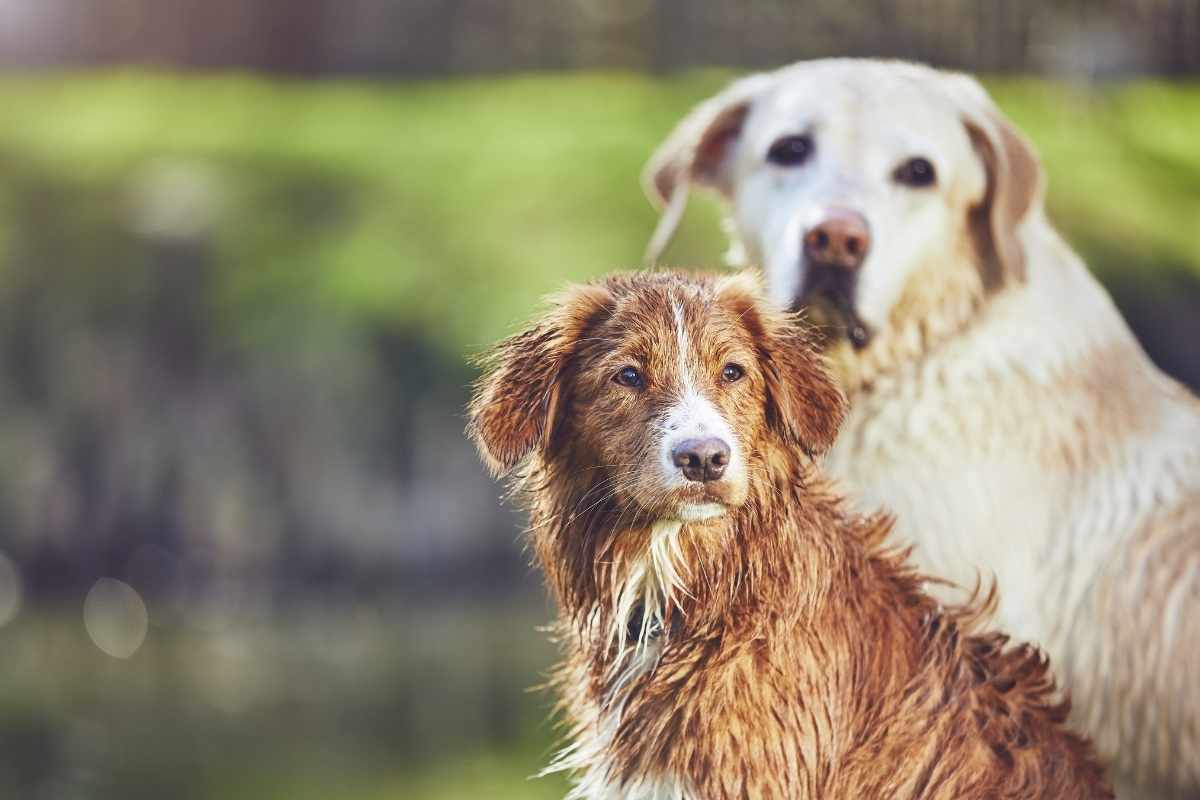
Most dog owners want the same thing: more healthy, happy years with their best friend. While no one can guarantee how long a dog will live, everyday choices can significantly influence their quality of life and overall longevity. Genetics, breed, size, and age all play a role, but nutrition, exercise, preventive care, dental health, and early intervention also matter.
The good news is that helping your dog live longer does not require complicated routines. Instead, consistent habits can make a meaningful difference over the years. From maintaining a healthy weight to keeping up with preventive appointments, small actions today can help protect your dog’s health tomorrow.
Regular veterinary care is one of the most important foundations of a longer, healthier life. Routine wellness visits allow veterinarians to monitor changes, identify potential problems early, and recommend preventive measures based on your dog’s age, breed, lifestyle, and risk factors. Along with professional care, what you do at home every day can have an equally important impact.
10 Proven Ways to Help Your Dog Live Longer
1. Keep Your Dog at a Healthy Weight
Maintaining an ideal body weight is one of the simplest ways to support your dog’s longevity. Excess weight can place unnecessary stress on the joints and increase the risk of conditions such as diabetes, heart disease, arthritis, and other chronic health problems.
However, determining a healthy weight is about more than looking at the number on a scale. Your veterinarian can evaluate your dog’s body condition and help establish an appropriate weight goal.
To support a healthy weight:
- Measure meals instead of guessing portions.
- Limit high-calorie treats.
- Choose treats that fit into your dog’s overall daily calorie intake.
- Monitor weight regularly.
- Adjust food portions as your dog’s activity level changes.
A healthy weight can help your dog remain active and comfortable throughout life.
2. Feed a Complete and Balanced Diet
Good nutrition provides the building blocks your dog needs for strong muscles, healthy organs, a functioning immune system, and stable energy levels.
Choose a complete and balanced diet appropriate for your dog’s life stage, size, and specific nutritional needs. Puppies, adults, seniors, pregnant dogs, and dogs with certain medical conditions may require different nutritional approaches.
Avoid making major dietary changes suddenly. If you want to switch foods, gradually transition your dog over several days to reduce the likelihood of digestive upset.
Also, remember that table scraps are not always harmless. Foods containing chocolate, grapes, raisins, onions, garlic, xylitol, or excessive amounts of fat can be dangerous for dogs.
3. Make Daily Exercise a Priority
Dogs need regular physical activity to maintain healthy muscles, joints, cardiovascular function, and body weight. Exercise can also provide mental stimulation and help reduce boredom-related behaviors.
The right amount of exercise depends on your dog’s age, breed, size, health, and energy level. An energetic young dog may need considerably more activity than a senior dog.
Try incorporating activities such as:
- Daily walks
- Fetch
- Swimming when appropriate
- Interactive toys
- Short training sessions
- Safe off-leash play
- Age-appropriate agility or enrichment activities
Most importantly, consistency matters. A moderate amount of activity every day is generally more beneficial than occasional intense exercise.
4. Never Skip Preventive Veterinary Visits
Dogs can hide pain and illness remarkably well. As a result, a dog may appear healthy even when an underlying problem is developing.
Routine wellness examinations give your veterinarian an opportunity to assess your dog’s weight, heart, lungs, teeth, skin, mobility, and overall condition. Depending on your dog’s age and risk factors, your veterinarian may also recommend blood work, parasite screening, vaccinations, or other preventive testing.
Preventive visits become particularly important as dogs get older because the risk of chronic conditions tends to increase with age.
Early detection can make treatment easier, improve comfort, and potentially prevent a manageable problem from becoming a serious one.
5. Take Dental Health Seriously
Dental disease is extremely common in dogs, yet many owners overlook it until they notice bad breath or visible tartar.
Plaque can accumulate on the teeth and contribute to gum inflammation, infection, discomfort, and progressive periodontal disease. Advanced dental disease can affect a dog’s overall well-being and may contribute to problems beyond the mouth.
Ideally, brush your dog’s teeth regularly with toothpaste specifically formulated for dogs. Never use human toothpaste unless a veterinarian specifically recommends a product that is safe for pets.
Dental examinations and professional cleanings may also be recommended based on your dog’s oral health.
6. Stay Up to Date on Vaccinations and Parasite Prevention
Preventing disease is often easier than treating it. Vaccinations can help protect dogs from serious infectious diseases, while parasite prevention can reduce the risk associated with fleas, ticks, heartworms, and intestinal parasites.
Your dog’s prevention plan should reflect local disease risks, lifestyle, age, and exposure. For example, a dog that spends significant time outdoors may have different parasite risks from a dog that primarily stays indoors.
Follow your veterinarian’s recommended vaccination and parasite-prevention schedule rather than waiting until your dog shows symptoms.
7. Give Your Dog Mental Stimulation
Longevity is not only about physical health. Dogs also need opportunities to think, explore, learn, and interact with their environment.
Mental stimulation can reduce boredom and support emotional well-being. It can be as simple as teaching a new command, rotating enrichment toys, hiding treats for your dog to find, or introducing a safe puzzle feeder.
Training also strengthens communication between you and your dog. Short, positive sessions can provide mental exercise without overwhelming your pet.
For senior dogs, enrichment remains valuable even when physical activity needs to decrease. Adjust games and activities to match their mobility and comfort level.
8. Pay Attention to Small Changes
Because dogs cannot tell you when something feels wrong, behavioral and physical changes can provide important clues.
Watch for changes such as:
- Reduced appetite or increased hunger
- Excessive thirst or urination
- Unexplained weight loss or gain
- Persistent coughing
- Difficulty breathing
- Changes in mobility
- New lumps or swelling
- Vomiting or diarrhea
- Changes in sleep patterns
- Increased anxiety or unusual aggression
- Excessive licking or scratching
One isolated change may not indicate a serious problem. Nevertheless, persistent or unusual changes deserve attention. Keeping track of your dog’s normal habits can make it easier to recognize when something is different.
9. Create a Safe Home Environment
Accidents can happen quickly, so prevention should be part of your dog’s health routine.
Keep medications, cleaning products, chemicals, toxic foods, and other hazardous substances out of reach. Secure trash cans and make sure your dog cannot access potentially dangerous objects.
Use appropriate restraints when traveling by car, and make sure your dog has identification in case they become lost. Microchipping can provide an additional layer of identification.
As dogs age, home safety may require additional adjustments. Non-slip rugs, ramps, orthopedic bedding, and easier access to food and water can help older dogs move around more comfortably.
10. Give Your Dog Love, Routine, and Quality Time
A longer life is meaningful when your dog also enjoys a good quality of life. Dogs thrive on companionship, predictable routines, positive interaction, and appropriate attention.
Spend time together every day. Go for walks, play games, practice training, or simply relax together. Maintaining a consistent routine can also help reduce stress and give your dog a sense of security.
As your dog ages, continue adapting activities to their changing needs. A senior dog may not be able to run as far as they once did, but they can still enjoy gentle walks, sniffing activities, cuddling, and mentally stimulating games.
How Often Should You Take Your Dog to the Veterinarian?
The appropriate schedule depends on your dog’s age, health, breed, and individual risk factors. Healthy adult dogs generally benefit from regular wellness examinations, while puppies, senior dogs, and dogs with ongoing health concerns may need more frequent monitoring.
Your veterinarian can create a personalized preventive plan that includes examinations, vaccinations, parasite prevention, dental care, nutrition guidance, and appropriate screening tests.
Regular veterinary care is especially valuable because prevention and early detection can help address health concerns before they significantly affect your dog’s quality of life.
Can You Actually Extend Your Dog’s Lifespan?
No strategy can guarantee that a dog will live to a specific age. Genetics and breed characteristics influence lifespan, and unexpected illnesses or accidents can occur.
Nevertheless, healthy lifestyle choices can reduce preventable risks and support better overall health. Maintaining a healthy weight, providing appropriate nutrition and exercise, preventing disease, monitoring changes, and seeking timely medical attention can all contribute to a longer and healthier life.
The goal should not simply be to add years to your dog’s life. It should be to add healthy, comfortable, active years whenever possible.
When Should You Contact a Veterinarian?
Contact a veterinarian when you notice a persistent or concerning change in your dog’s behavior, appetite, mobility, breathing, digestion, or overall condition. Seek prompt attention when symptoms are sudden, severe, or rapidly worsening.
Do not wait for a routine appointment if your dog has difficulty breathing, collapses, experiences repeated vomiting, has severe bleeding, suffers a serious injury, or shows other signs of a potentially life-threatening problem.
For routine wellness planning and preventive health support, schedule your appointment with North Buffalo Animal Hospital to help keep your dog healthy at every stage of life.
Helping your dog live longer starts with everyday decisions. A balanced diet, healthy weight, regular exercise, dental care, preventive treatments, mental stimulation, and routine health monitoring can collectively make a meaningful difference.
Most importantly, pay attention to what is normal for your dog. When you recognize changes early and work with your veterinarian on a personalized health plan, you give your companion the best opportunity to enjoy a longer, healthier, and happier life.
FAQs
Q1. What is the best way to help my dog live longer?
Ans: Maintaining a healthy weight, feeding a complete and balanced diet, providing regular exercise, keeping up with preventive veterinary visits, protecting against parasites, maintaining dental health, and addressing health changes early are among the most effective ways to support your dog’s longevity.
Q2. Does exercise help dogs live longer?
Ans: Regular, age-appropriate exercise supports healthy weight, cardiovascular fitness, muscle strength, joint mobility, and mental well-being. The ideal amount depends on your dog’s breed, age, health, and activity level.
Q3. Can a healthy diet increase a dog’s lifespan?
Ans: A complete and balanced diet can support overall health and help prevent problems associated with poor nutrition or obesity. Your veterinarian can recommend an appropriate diet based on your dog’s life stage, body condition, and individual needs.
Q4. How often should my dog have a wellness exam?
Ans: Many healthy adult dogs benefit from routine wellness examinations at least annually, while puppies, senior dogs, and pets with chronic conditions may need more frequent visits. Your veterinarian can recommend the right schedule for your dog.
Q5. How can I tell if my dog is aging normally?
Ans: Gradual changes in activity, sleep, coat, and mobility can occur with age. However, significant weight changes, persistent coughing, appetite changes, increased thirst, difficulty walking, behavioral changes, or other unusual symptoms should be discussed with a veterinarian rather than automatically attributed to aging.
Q6. What is the most important thing I can do for my senior dog?
Ans: Schedule regular health examinations, monitor weight and mobility, maintain dental and parasite prevention, provide appropriate nutrition and exercise, and report changes early. Senior dogs often benefit from a preventive plan tailored to their changing health needs.
Related Articles