Please take a moment to review our appointment & cancellation policies before your visit

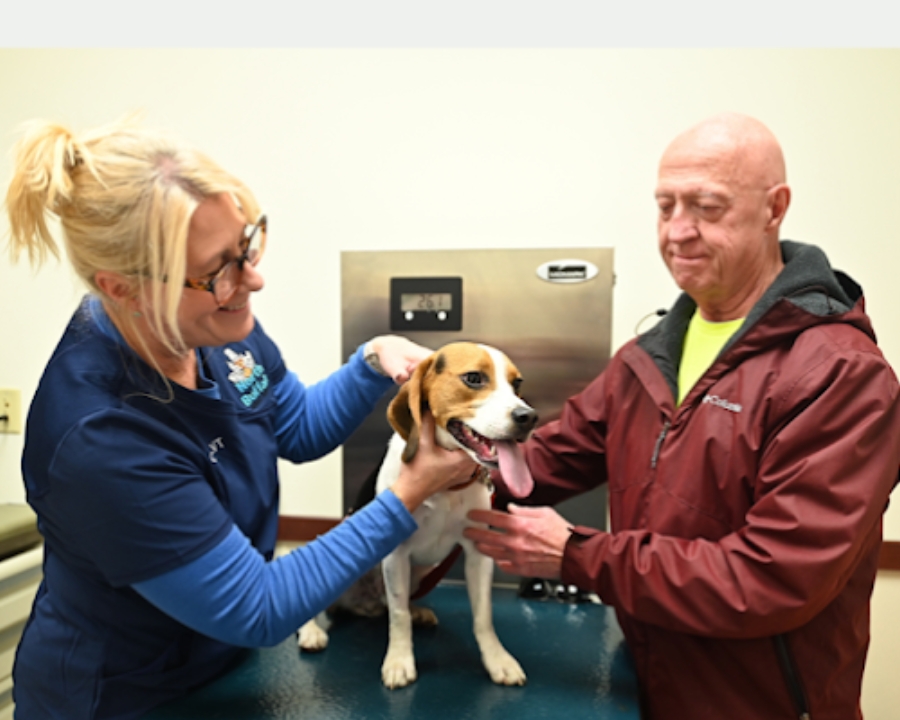
As pet owners, we all want our companions to live long, happy, and healthy lives. While providing nutritious food, exercise, and affection is essential, routine veterinary care plays an equally important role in supporting lifelong wellness. Regular veterinary visits help identify health concerns early, prevent disease, and ensure pets receive the care they need at every stage of life.
Many illnesses develop gradually and show few noticeable symptoms in their early stages. As a result, pets may appear healthy while underlying conditions progress unnoticed. Routine examinations allow veterinary professionals to detect subtle changes before they become serious health concerns. In addition, these visits provide opportunities to discuss nutrition, behavior, dental health, and preventive care strategies tailored to your pet’s specific needs.
For pet owners seeking a trusted veterinarian in Buffalo, maintaining consistent veterinary care is one of the most valuable investments you can make in your pet’s long-term health. This information is especially valuable for families throughout Buffalo, NY.
Why Regular Vet Visits Matter
Routine veterinary appointments are about much more than vaccinations. They provide a comprehensive evaluation of your pet’s overall health and help establish a baseline for future monitoring.
During a wellness examination, veterinarians assess:
- Body condition and weight
- Heart and lung function
- Skin and coat health
- Eyes and ears
- Oral health
- Joint mobility
- Behavioral changes
- Overall physical condition
By comparing findings over time, veterinarians can identify subtle health changes that might otherwise go unnoticed.
Early Detection Leads to Better Outcomes
One of the greatest benefits of routine veterinary care is early disease detection. Many medical conditions can be managed more effectively when identified in their initial stages.
Common conditions that benefit from early diagnosis include:
- Kidney disease
- Diabetes
- Arthritis
- Dental disease
- Heart disease
- Thyroid disorders
- Cancer
When veterinarians detect these conditions early, treatment options are often less invasive and more successful. Consequently, pets may experience improved quality of life and better long-term outcomes.
Preventive Care Helps Avoid Serious Health Problems
Preventive healthcare focuses on reducing risks before illness develops. Rather than waiting for symptoms to appear, veterinarians work proactively to protect your pet’s health.
Preventive services may include:
- Vaccinations
- Parasite prevention
- Routine laboratory testing
- Nutritional counseling
- Dental evaluations
- Weight management guidance
Through preventive care measures, many diseases can be avoided altogether or identified before they cause significant damage.
Vaccinations Protect Pets Throughout Life
Vaccinations remain one of the most effective tools for preventing infectious diseases. They help strengthen your pet’s immune system and reduce the likelihood of contracting serious illnesses.
Vaccination schedules vary depending on:
- Age
- Lifestyle
- Species
- Travel habits
- Exposure risks
Puppies and kittens require an initial series of vaccines, while adult pets need boosters to maintain immunity. Regular veterinary visits ensure your pet stays current with recommended vaccinations.
Dental Health Should Never Be Overlooked
Dental disease affects a significant percentage of dogs and cats. Unfortunately, many pet owners do not recognize the signs until the condition becomes advanced.
Symptoms of dental disease may include:
- Bad breath
- Red or swollen gums
- Difficulty chewing
- Excessive drooling
- Loose teeth
Routine dental assessments help identify problems early and allow veterinarians to recommend appropriate treatment before complications develop.
Monitoring Weight and Nutrition
Maintaining a healthy weight is essential for overall wellness. Obesity can increase the risk of numerous health conditions, including diabetes, arthritis, respiratory problems, and heart disease.
Regular veterinary visits provide opportunities to:
- Monitor body condition
- Adjust feeding recommendations
- Evaluate nutritional needs
- Address weight concerns
Because nutritional requirements change throughout life, ongoing guidance helps ensure pets receive proper support at every stage.
Parasite Prevention Is Essential
Parasites can significantly impact a pet’s health. Fleas, ticks, heartworms, and intestinal parasites may cause discomfort, illness, and long-term complications.
Veterinarians develop individualized prevention plans that may include:
- Monthly preventive medications
- Fecal examinations
- Heartworm testing
- Tick prevention strategies
Year-round protection helps reduce the risk of parasite-related diseases.
Behavioral Changes Can Signal Health Problems
Behavioral changes often provide valuable clues about a pet’s health. Increased anxiety, aggression, decreased activity, or altered eating habits may indicate underlying medical issues.
During routine appointments, veterinarians can evaluate these changes and determine whether additional testing or treatment is needed.
Open communication between pet owners and veterinary professionals helps ensure concerns are addressed promptly.
Senior Pets Need More Frequent Monitoring
As pets age, their healthcare needs become increasingly complex. Senior pets face a higher risk of chronic illnesses and age-related conditions.
Routine veterinary visits for senior pets may include:
- Comprehensive physical exams
- Bloodwork
- Urinalysis
- Blood pressure monitoring
- Mobility assessments
These evaluations help identify age-related concerns early and support a comfortable, active lifestyle.
Building a Long-Term Healthcare Partnership
Establishing a strong relationship with your veterinary team benefits both pets and their owners. Consistent care allows veterinarians to become familiar with your pet’s medical history, lifestyle, and unique needs.
At North Buffalo Animal Hospital, veterinary professionals work closely with pet owners to develop personalized healthcare plans that support lifelong wellness. Whether your pet is young, adult, or senior, individualized care helps ensure the best possible outcomes.
For families searching for a reliable veterinarian, regular wellness visits provide the foundation for long-term health and disease prevention.
The Value of Consistent Veterinary Care
While many pet owners seek veterinary care only when their pet appears sick, routine visits offer substantial advantages. They allow veterinarians to identify concerns early, provide preventive treatments, and help pets maintain optimal health throughout their lives.
Furthermore, preventive healthcare often reduces long-term medical expenses by addressing concerns before they become serious or require extensive treatment.
For pet owners looking for a trusted veterinarian, prioritizing routine veterinary care is one of the most effective ways to support lifelong wellness.
Regular veterinary visits play a critical role in maintaining your pet’s health, comfort, and quality of life. Through wellness exams, vaccinations, diagnostic screenings, dental care, nutrition guidance, and preventive treatments, veterinarians help pets stay healthier at every age.
If you’re in Buffalo, NY, and looking for a veterinarian near you, schedule an appointment with North Buffalo Animal Hospital. Our veterinary team is committed to providing compassionate, personalized care that supports your pet’s lifelong health and well-being.
Frequently Asked Questions
1. How often should my pet visit the veterinarian?
Most healthy adult pets should visit the veterinarian annually. Puppies, kittens, senior pets, and pets with medical conditions may require more frequent visits.
2. Why are routine wellness exams important?
Wellness exams help detect health concerns early, monitor overall health, and provide opportunities for preventive care.
3. What happens during a regular veterinary visit?
A typical visit includes a physical examination, health assessment, vaccination review, and discussion of nutrition, behavior, and preventive care needs.
4. Can regular vet visits help prevent disease?
Yes. Preventive services such as vaccinations, parasite control, dental evaluations, and routine screenings help reduce the risk of many diseases.
5. When should senior pets receive health screenings?
Many senior pets benefit from annual or semiannual diagnostic testing to monitor organ function and detect age-related conditions early.
6. How do I know if my pet needs immediate veterinary attention?
Seek veterinary care if your pet experiences vomiting, diarrhea, difficulty breathing, sudden lethargy, loss of appetite, or significant behavioral changes.