Please take a moment to review our appointment & cancellation policies before your visit

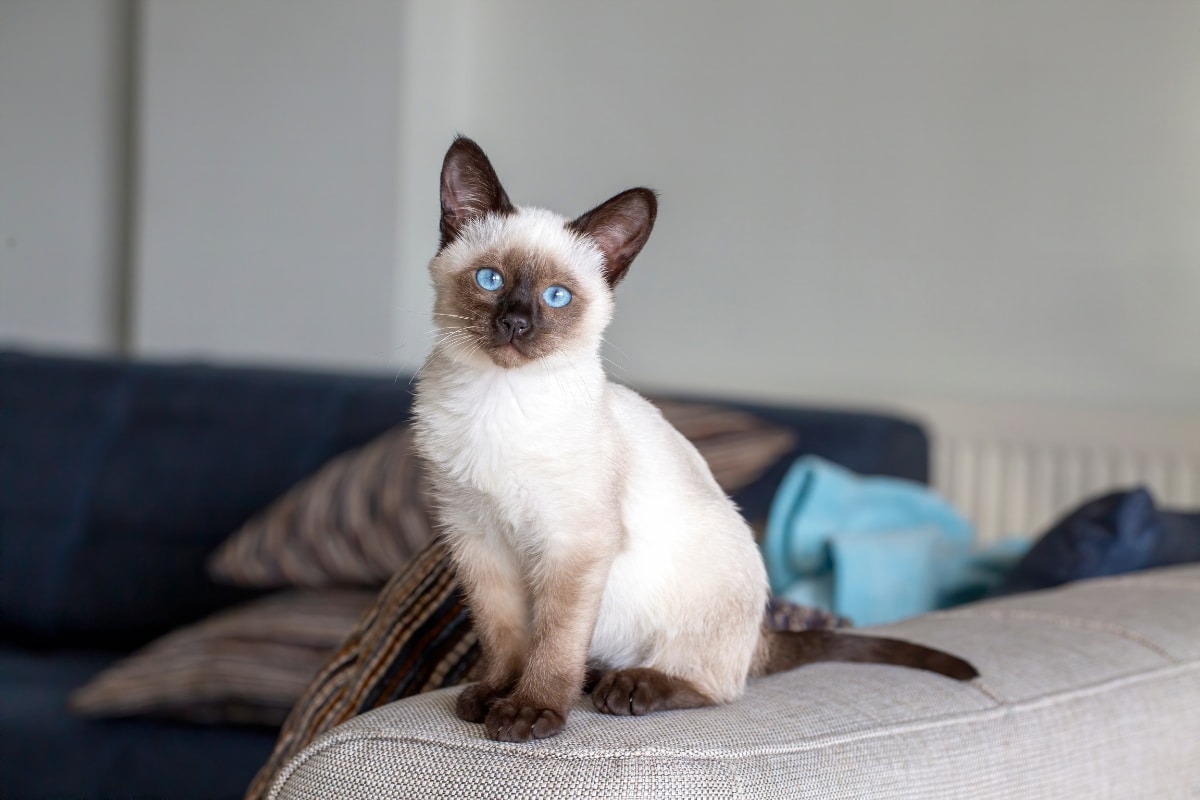
Many pet parents are surprised when their feline companion follows them around the home, constantly seeks attention, or seems to have a conversation through different sounds. While some cats prefer quiet independence, others naturally form strong social bonds with their families.
The Siamese cat is known for being highly expressive, affectionate, and interactive. Their vocal nature and desire to stay close to people often make them stand out compared with many other breeds. Understanding the reasons behind these behaviors can help pet parents build a happier relationship with their pets and recognize when changes may require professional veterinary care.
At North Buffalo Animal Hospital, we help families in Buffalo and nearby areas understand feline behavior and support their companions’ overall health and wellness.
Why Is a Siamese Cat So Vocal?
A Siamese cat often uses vocal communication to interact with people. Their sounds are not only requests for food or attention. They may use different tones to express excitement, curiosity, frustration, or a desire for companionship.
Common reasons behind frequent vocalization include:
- Wanting interaction with their family
- Responding to human voices and activities
- Seeking attention during daily routines
- Expressing boredom or curiosity
- Communicating changes in their environment
Unlike quieter breeds that may communicate mostly through body language, these cats often use their voices as a major part of their personality. Many pet parents notice that their companion seems to “talk back” during conversations, creating a unique bond between the animal and the family.
Why Do Siamese Cats Become So Attached to Their Owners?
The clingy behavior of this breed is often connected to their strong social needs. A Siamese cat usually enjoys being involved in household activities and may prefer to stay near their favorite people rather than spend long periods alone.
They may show attachment by:
- Following family members from one room to another
- Sitting beside their owners while they work or relax
- Seeking regular affection and attention
- Wanting interaction throughout the day
This behavior is not always a sign of a problem. Many cats form deep emotional connections with their caregivers and show affection through closeness and communication.
However, a sudden increase in clinginess can sometimes be linked to stress, discomfort, aging changes, or other health concerns. Paying attention to when the behavior started and what changes happened around that time can provide helpful information.
What Makes Siamese Cats More Social Than Other Breeds?
Every pet has its own personality, but certain inherited traits can influence common behaviors. Siamese cats are often recognized for their curiosity, intelligence, and desire for companionship.
Strong Need for Social Interaction
This breed often enjoys spending time with people. Long periods without engagement may lead them to seek attention more frequently.
Active Communication Style
Some cats communicate quietly, while others use sounds as their primary means of interaction. Siamese cats often rely on vocal expressions to connect with their owners.
Curiosity and Mental Stimulation
Their curious nature can make them interested in everything happening around the home. They may want to explore, observe, and participate in family activities.
Providing playtime, enrichment, and interaction can help support their emotional needs.
Is Clingy Behavior Always Normal?
Affectionate behavior is usually part of this breed’s personality. However, pet parents should notice when familiar habits change unexpectedly.
A sudden increase in vocalization or attachment may occur due to:
- Stress from changes at home
- Pain or physical discomfort
- Changes associated with aging
- Anxiety-related behaviors
- Certain medical conditions
Behavior changes alone cannot identify the exact cause. A professional evaluation can help determine whether the change is related to personality, environment, or health.
If your pet’s behavior seems different from normal, you can visit our veterinary hospital’ for guidance and a proper assessment.
How Can You Manage a Vocal and Clingy Siamese Cat?
Understanding the reasons behind these behaviors can help pet parents respond positively. The goal is not to remove their personality but to provide healthy outlets for communication and activity.
Create Daily Interaction Time
Regular play sessions, affection, and attention can help satisfy their need for companionship.
Offer Mental Enrichment
Puzzle feeders, interactive toys, and climbing areas can encourage natural curiosity and prevent boredom.
Keep a Predictable Routine
Consistent feeding, play, and rest schedules may help pets feel secure and comfortable.
Encourage Calm Behavior
Rewarding quiet and relaxed moments with attention can help prevent constant attention-seeking habits from becoming stronger.
When Should You Seek Pet Care for Behavior Changes?
Not every vocal or clingy habit requires medical attention. Many behaviors are simply part of a pet’s personality. However, sudden or unusual changes should not be ignored.
Schedule a veterinary examination with us if your companion shows:
- A sudden increase in vocal sounds
- Changes in eating or drinking habits
- Increased hiding or fearfulness
- Litter box changes
- Reduced activity
- Signs of discomfort or pain
Our veterinarian, Dr. Stevens, can evaluate possible causes and recommend appropriate steps based on your pet’s health history and behavior patterns. Regular veterinary care also supports early detection of potential health concerns.
Helping Your Siamese Cat Feel Comfortable and Secure
A talkative and affectionate personality can be one of the most enjoyable parts of sharing your home with this breed. Their frequent communication is often their way of building a connection with their family.
Pet parents can support their well-being by providing:
- A safe home environment
- Regular attention and play
- Proper nutrition
- Preventive health visits
- Awareness of behavior changes
When families understand why their pets behave a certain way, they can respond with patience and create a stronger relationship.
Supporting Lifelong Health Through Veterinary Care
Behavior is an important part of understanding overall wellness. Changes in activity, communication, or attachment can sometimes provide early clues that something may need attention.
North Buffalo Animal Hospital provides compassionate support for families seeking to maintain their feline companion’s health and address behavior or wellness concerns. If your pet’s habits have changed or you want guidance on maintaining their health, scheduling a professional consultation at our animal hospital can help you take the right steps.
With proper attention, regular checkups, and ongoing veterinary care, pet parents can help their companions enjoy a healthy and comfortable life.
FAQs
Q1. Why does my Siamese cat meow so much?
Ans. Siamese cats often use sounds to communicate with people. Frequent meowing may be a normal part of their personality, especially when they want interaction. Sudden changes in vocal behavior should be discussed with a veterinarian.
Q2. Are Siamese cats naturally clingy?
Ans. Many Siamese cats enjoy close relationships with their owners and prefer regular companionship. This behavior is often linked to their social personality, but unexpected changes may require evaluation.
Q3. How can I reduce boredom in my Siamese cat?
Ans. Interactive toys, play sessions, enrichment activities, and consistent routines can help provide mental stimulation. These activities may also support healthier behavior patterns.
Q4. Should I worry if my cat suddenly becomes more vocal?
Ans. A sudden increase in vocal behavior may result from stress, discomfort, environmental changes, or health concerns. A veterinary examination can help identify possible reasons.
Q5. Do Siamese cats need more attention than other breeds?
Ans. Many Siamese cats enjoy frequent interaction because they are naturally social. Individual needs vary, so providing appropriate attention and enrichment is important.
Q6. When should I take my cat for a behavior evaluation?
Ans. A veterinary visit may be helpful when behavior changes occur suddenly or accompany other concerns, such as changes in appetite, reduced activity, hiding, or signs of discomfort.