Please take a moment to review our appointment & cancellation policies before your visit

Your dog may eat normally, play with toys, and seem perfectly healthy, even when dental problems are developing. Dogs often hide oral discomfort, making dental disease difficult to recognize until it becomes more serious. Bad breath, swollen gums, and tartar buildup are common signs that your dog may need professional dental attention.
Many dog owners worry when their veterinarian recommends dental cleaning under anesthesia. Understanding the procedure can help ease those concerns. For pet owners in Buffalo, knowing what happens before, during, and after dental cleaning makes it easier to prepare their dogs and make informed decisions about their oral health.
Why Do Dogs Need Dental Cleaning Under Anesthesia?
Dental problems often develop beneath the gumline, where they cannot be seen during a routine examination. Plaque contains bacteria that irritate the gums and can eventually cause periodontal disease.
Professional dental cleaning under anesthesia allows veterinarians to:
- Remove plaque and tartar above and below the gumline.
- Examine each tooth and surrounding gum tissue.
- Take dental X-rays to identify hidden problems.
- Identify loose, damaged, or infected teeth.
- Perform necessary dental treatments without sudden movements.
Anesthesia also helps protect your dog from injuries during cleaning. Unlike anesthesia-free cleaning, which primarily removes visible tartar, professional anesthetic cleaning addresses dental problems beneath the gums.
What Happens Before Your Dog’s Dental Cleaning?
Preparing your dog for dental cleaning begins with evaluating their overall health. Our vets consider your dog’s medical history, age, and existing conditions before recommending anesthesia.
Dental Examination
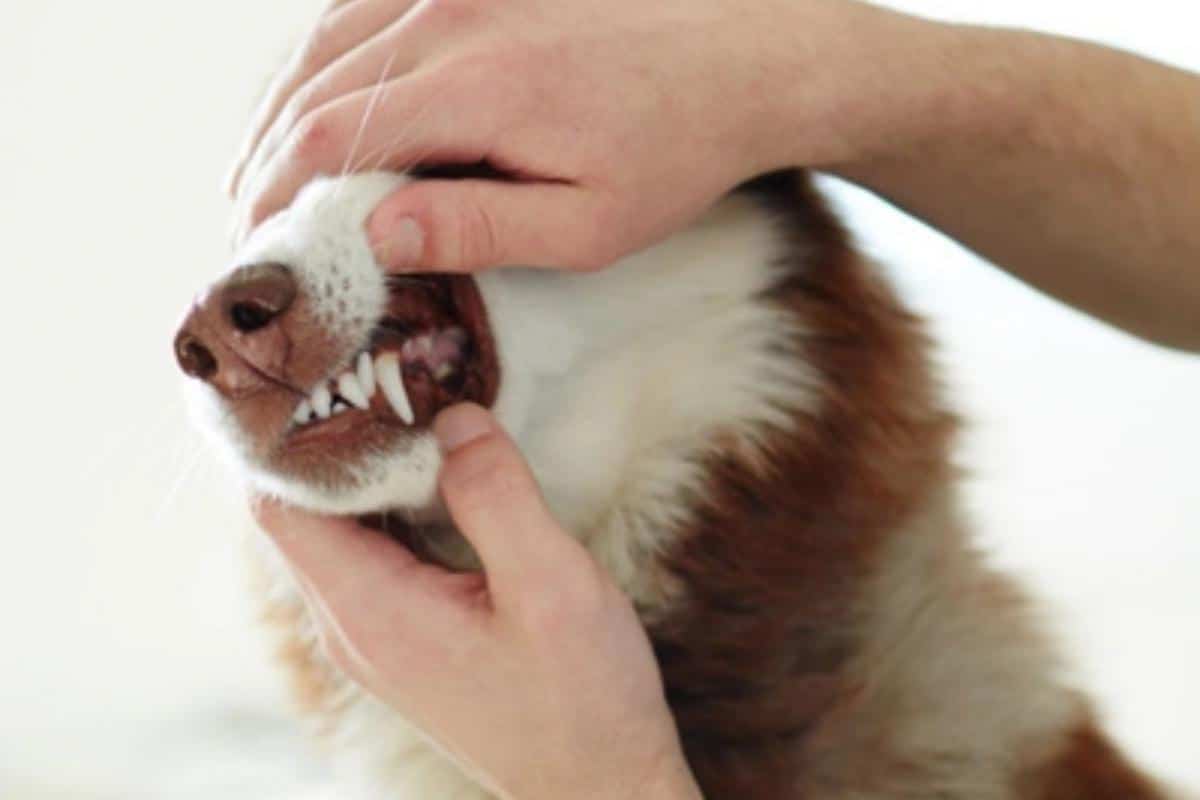
Our veterinary practice examines your dog’s mouth for signs of dental disease, including:
- Red, swollen, or bleeding gums
- Persistent bad breath
- Loose or discolored teeth
- Excessive tartar buildup
- Difficulty chewing or eating
These findings help determine whether professional cleaning or additional treatment is necessary.
Pre-Anesthetic Health Assessment
Before anesthesia, the veterinary team evaluates your dog’s health. Bloodwork may be recommended to assess organ function and identify concerns that could affect anesthesia.
Dogs with heart disease, kidney problems, or other medical conditions may require additional precautions. Although anesthesia carries some risk, appropriate assessment and monitoring help reduce potential complications.
Fasting Instructions
Your veterinarian will explain when to stop feeding your dog before the procedure. Fasting requirements depend on your dog’s age, health, and individual needs. Follow the instructions provided by your veterinary team. Inform our vets about any medications or supplements your dog takes before the appointment.
What Happens During Dog Dental Cleaning Under Anesthesia?
Once your dog is anesthetized, the veterinary team can examine and clean their teeth thoroughly.
Step 1: Administering Anesthesia
The veterinary team administers anesthesia based on your dog’s health and needs. A breathing tube is generally placed to maintain the airway and help prevent fluids from entering the lungs.
Throughout the procedure, trained personnel monitor breathing, heart rate, oxygen levels, blood pressure, and body temperature.
Step 2: Removing Plaque and Tartar
Veterinary dental instruments remove plaque and tartar from visible tooth surfaces and beneath the gumline. Cleaning these hidden areas is an important part of pet dental care, particularly for dogs with gum inflammation or periodontal disease.
Step 3: Dental Examination and X-Rays
Dental X-rays help identify problems that cannot be detected through visual examination alone.
Our veterinary practice offers dental radiography to evaluate concerns such as:
- Tooth root infections
- Bone loss around teeth
- Hidden tooth fractures
- Damage beneath the gumline
If additional treatment is necessary, our vets discuss the findings and recommended options with you.
Step 4: Polishing and Additional Treatment
After cleaning, the teeth are polished to smooth their surfaces and reduce areas where plaque can accumulate. Dogs with severely damaged or infected teeth may require extractions. Your veterinarian will explain any additional treatment recommendations.
Is Anesthesia Safe for Dogs During Dental Cleaning?
Anesthesia is a common concern, particularly for owners of senior dogs. Modern veterinary anesthesia allows many dogs to undergo dental procedures with appropriate precautions. However, no anesthetic procedure is completely risk-free.
Several factors influence anesthesia safety:
- Your dog’s overall health
- Age and breed
- Existing medical conditions
- Previous reactions to anesthesia
- Procedure length
Older dogs are not automatically unsuitable for anesthesia. Their individual health and medical history are more important when evaluating risk.
Our vets can discuss your dog’s health, recommended testing, and anesthesia-related concerns before scheduling treatment.
How Long Does Dog Dental Cleaning Take?
A routine dental cleaning may take approximately 45 minutes to two hours, depending on your dog’s oral health. Dogs requiring dental X-rays, extractions, or treatment for advanced periodontal disease may need additional time.
Your dog will also require preparation and supervised recovery. The total hospital visit may last several hours. Our veterinary team will explain the expected appointment schedule and discharge instructions.
What Should You Expect After Your Dog’s Dental Cleaning?
Most dogs begin recovering shortly after anesthesia ends, although some effects may continue for several hours.
Common Changes After Anesthesia
Your dog may experience:
- Temporary sleepiness
- Mild disorientation
- Reduced appetite
- Slightly unsteady walking
- Temporary mouth sensitivity
These symptoms should gradually improve. Contact your veterinarian immediately if your dog experiences breathing difficulties, persistent vomiting, significant bleeding, or difficulty waking.
Feeding and Recovery at Home
Your veterinarian will explain when your dog can resume eating and drinking. Dogs that undergo extractions may need soft food and additional recovery time. Follow the instructions provided by the veterinary team.
Allow your dog to rest somewhere quiet and comfortable. Avoid strenuous activity until they have recovered sufficiently. If pain medication is prescribed, administer it exactly as directed.
How Often Should Dogs Have Professional Dental Cleanings?
Dental cleaning frequency depends on your dog’s individual oral health. Some dogs may need annual cleanings, while others require different intervals based on their dental condition.
Factors influencing cleaning frequency include:
- Breed and size: Smaller dogs often develop dental disease earlier.
- Age: Dental problems become more common as dogs grow older.
- Existing dental disease: Previous periodontal problems may require closer monitoring.
- Home dental habits: Regular brushing helps reduce plaque buildup.
Our vets can recommend an appropriate cleaning schedule based on your dog’s dental examination.
How Can You Maintain Your Dog’s Dental Health Between Cleanings?
Professional cleaning removes existing plaque and tartar, but maintaining oral health requires regular attention at home. A consistent pet dental care routine can help reduce plaque accumulation and support healthier gums.
Brush Your Dog’s Teeth
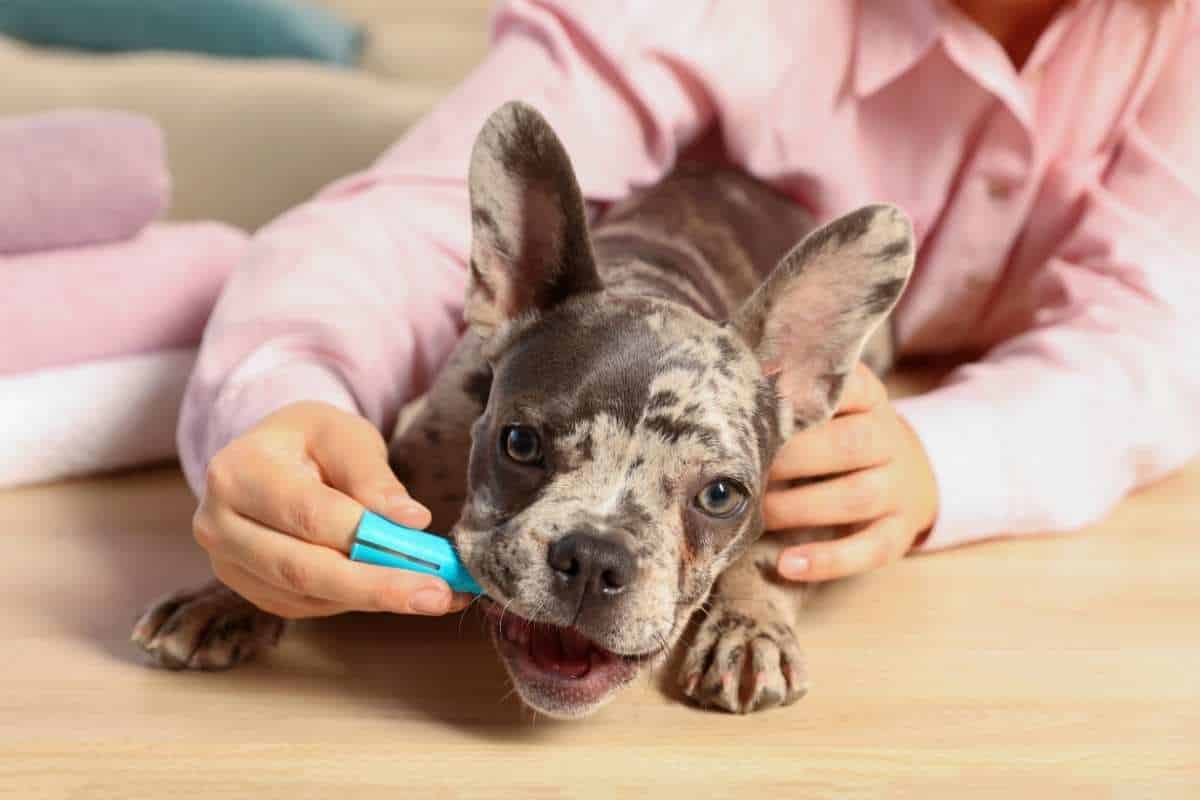
Daily brushing helps control plaque. Use a dog-specific toothbrush and toothpaste formulated for pets. Introduce brushing gradually if your dog is uncomfortable with the process.
Choose Appropriate Dental Products
Veterinary-recommended dental chews and products may help reduce plaque and tartar. Look for products accepted by the Veterinary Oral Health Council (VOHC). Avoid extremely hard chews that could damage teeth.
Schedule Regular Veterinary Examinations
Routine examinations allow our vets to identify dental problems before they become more serious. Watch for persistent bad breath, gum redness, difficulty chewing, or changes in eating habits. These symptoms may indicate underlying dental disease.
Protect Your Dog’s Smile With Professional Dental Care
Your dog’s dental health affects their comfort, eating habits, and overall well-being. Professional dental cleaning helps address problems beneath the gumline and prevents existing dental disease from progressing.
At North Buffalo Animal Hospital, we provide dental examinations, professional cleanings, dental radiography, and guidance for maintaining oral health at home. Our vets evaluate your dog’s individual needs and recommend appropriate treatment.
If your dog has bad breath, visible tartar, or difficulty chewing, don’t wait for the problem to worsen. Contact us today to schedule a dental examination and help your dog enjoy a healthier, more comfortable life.
Frequently Asked Questions
Q1. Will My Dog Feel Pain During Dental Cleaning Under Anesthesia?
Ans. Your dog remains unconscious during general anesthesia and should not feel the cleaning procedure. Appropriate pain management is provided when necessary, particularly for extractions or additional dental treatments.
Q2. Can Dogs Have Dental Cleaning Without Anesthesia?
Ans. Anesthesia-free cleaning cannot adequately remove tartar beneath the gumline or support a complete dental examination. Anesthetic cleaning allows veterinarians to identify and treat hidden dental problems.
Q3. How Long Does Recovery From Dental Anesthesia Take?
Ans. Many dogs become more alert within several hours, although sleepiness may continue into the following day. Recovery depends on their health, medications, and treatment.
Q4. Where Can I Schedule Dog Dental Cleaning in Buffalo?
Ans. North Buffalo Animal Hospital provides dental examinations and professional dental cleaning services in Buffalo. Our vets evaluate your dog’s oral health and recommend appropriate treatment.
Q5. Does North Buffalo Animal Hospital Offer Dental X-Rays for Dogs?
Ans. Yes. North Buffalo Animal Hospital offers dental radiography to identify hidden dental concerns, including tooth root infections, bone loss, and damage beneath the gumline.
Q6. How Can North Buffalo Animal Hospital Help Maintain My Dog’s Dental Health?
Ans. At North Buffalo Animal Hospital, our veterinary team provides dental examinations, professional cleaning recommendations, and at-home oral hygiene guidance to help maintain your dog’s dental health.